Tasting Menu in Mallorca: Local Gastronomy

Tasting menus in Mallorca: types, restaurants, Table d'Hôte format in agriturismos. A complete guide to Mallorcan haute cuisine.

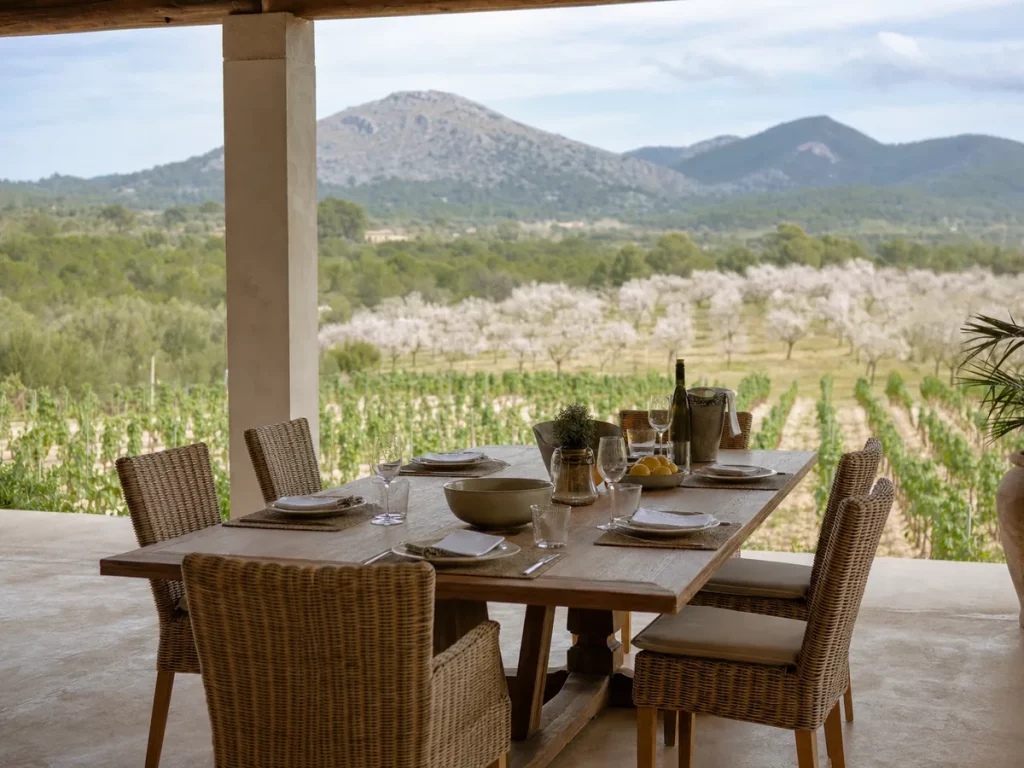
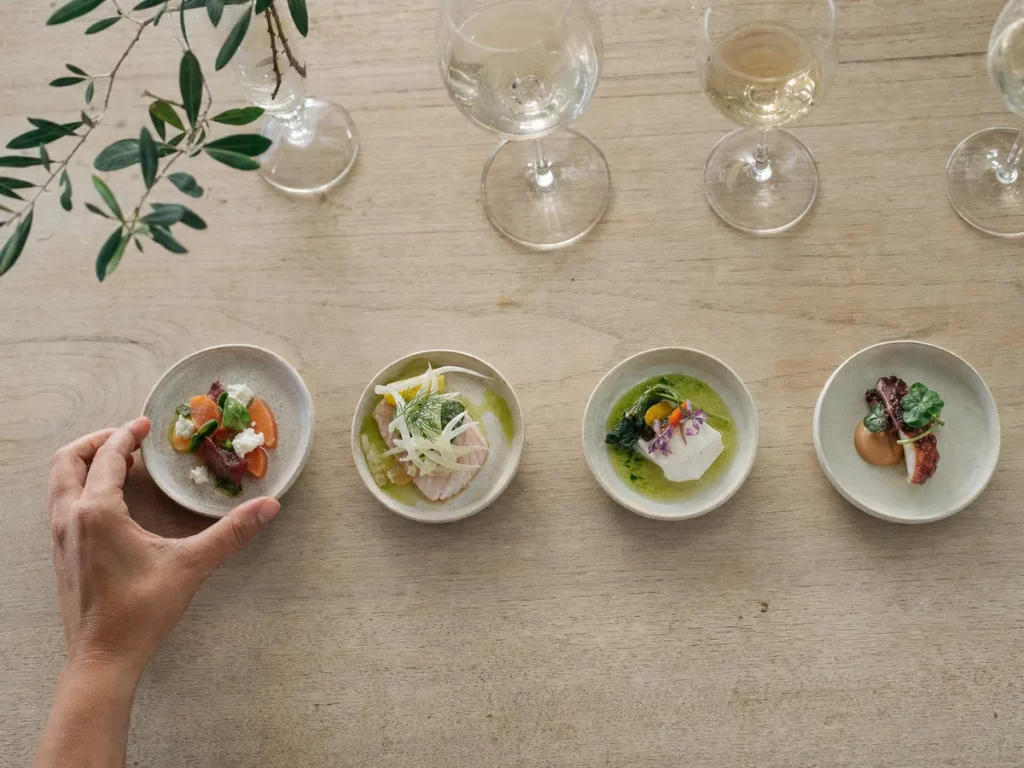
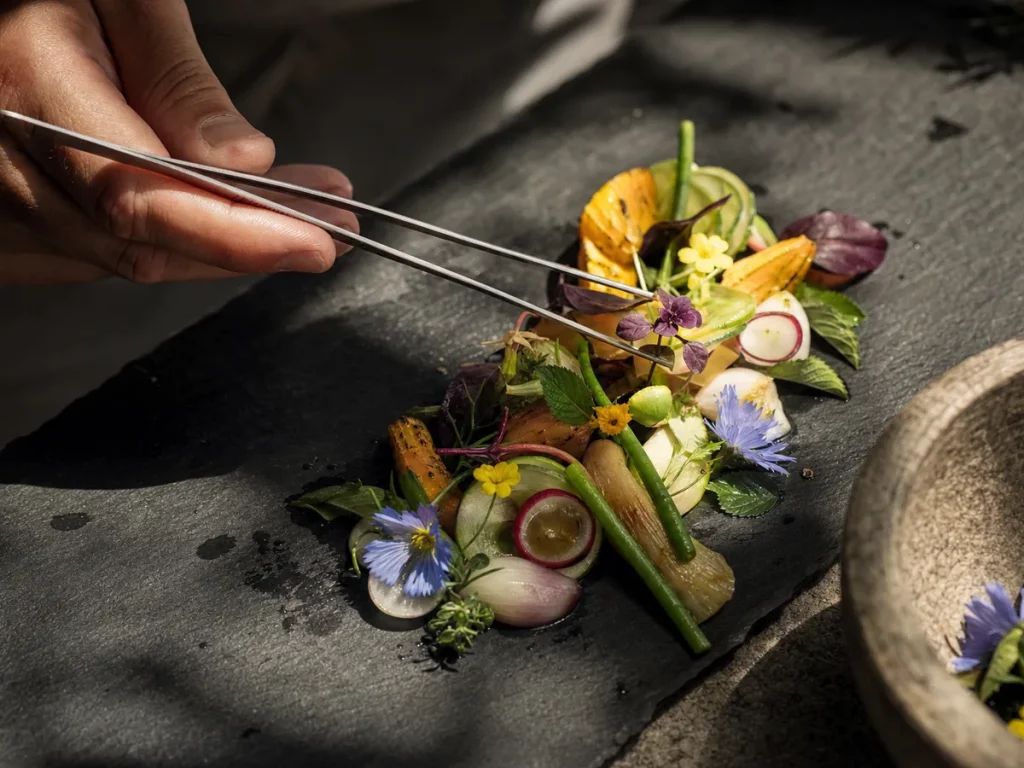
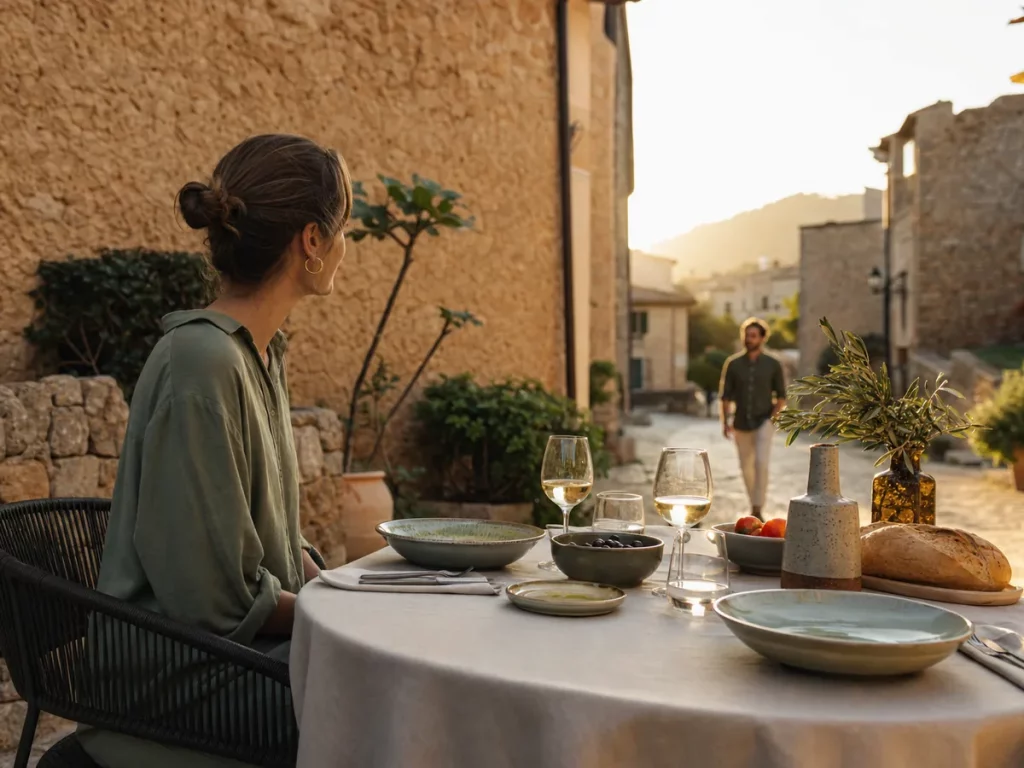
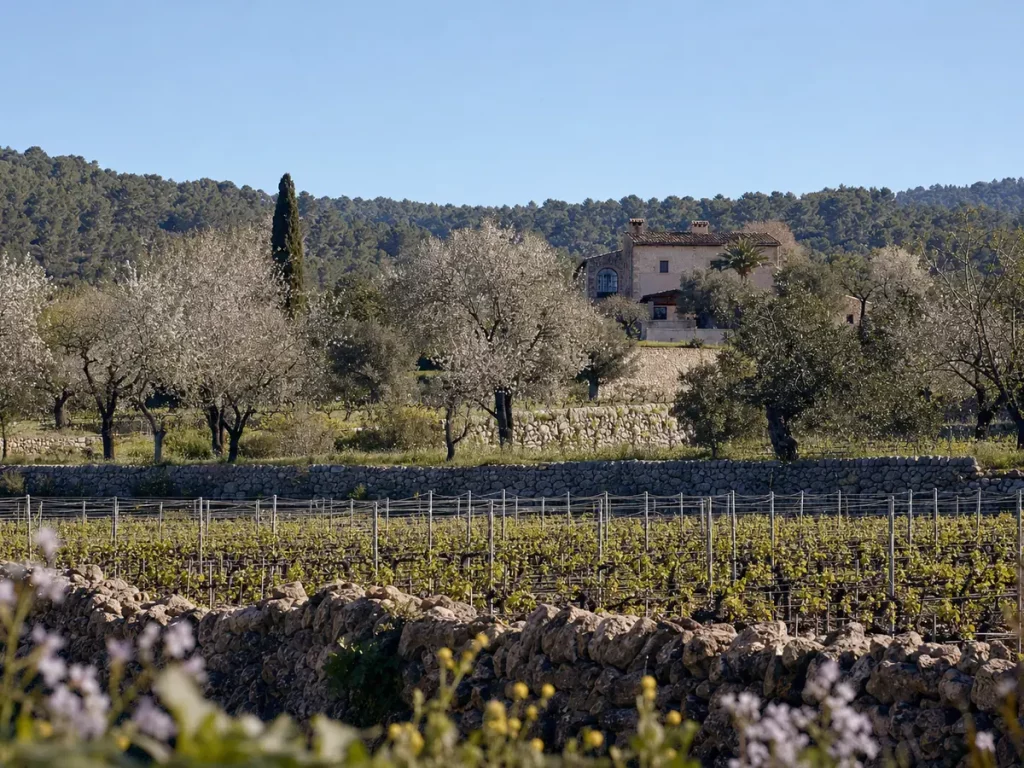
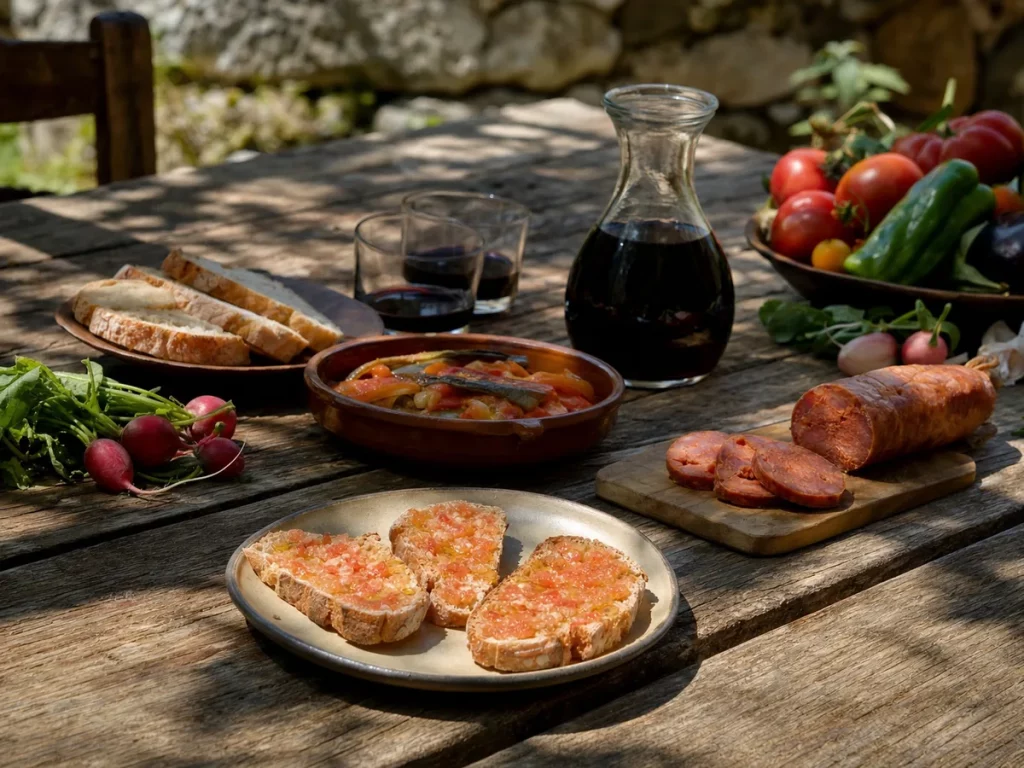
Un menú degustación en Mallorca es, hoy, una de las mejores formas de entender la isla. No solo porque la gastronomía mallorquina vive el momento más interesante de su historia reciente —con diez restaurantes con estrella Michelin y una corriente sólida de cocina km 0— sino porque el menú degustación, por su propia naturaleza, obliga al cocinero a contar una historia. Y en Mallorca, esa historia se escribe con producto local, variedades autóctonas, mar cercano y huertos que están al lado de la cocina. Esta guía explica qué es un menú degustación, qué tipos vas a encontrar en Mallorca, qué restaurantes y formatos merece la pena conocer y por qué los agroturismos con cocina propia se están convirtiendo en uno de los destinos gastronómicos más interesantes para el viajero exigente. Qué es un menú degustación y por qué Mallorca se ha convertido en destino renombrado Un menú degustación es un recorrido cerrado de varios platos, diseñado por el chef, donde el comensal no elige: se deja llevar. La gracia está precisamente en eso: la cocina decide el orden, los maridajes, las texturas y el ritmo del servicio. Lo que parece menos libertad es, en realidad, mayor profundidad: estás comiendo la propuesta tal como el chef quiere que la vivas. Mallorca se ha consolidado como destino top de menú degustación por una combinación de factores: producto local de altísima calidad —pescado de lonja, cerdo negro, queso de oveja, sobrasada, aceite virgen extra, vinos autóctonos—, una nueva generación de chefs con formación internacional y proyectos como huertos propios o invernaderos integrados al restaurante. La isla tiene actualmente diez restaurantes con estrella Michelin, incluyendo VORO (dos estrellas) en Capdepera, y un grupo creciente de propuestas Bib Gourmand y Plato Michelin. Muchos de esos productos son la base de los platos típicos de la cocina mallorquina. ¿Qué es la cocina km 0 y cómo ha transformado el menú degustación en Mallorca? La cocina km 0 es el movimiento gastronómico que reduce al mínimo la distancia entre el origen del producto y el plato del comensal, priorizando ingredientes cultivados o producidos en un radio cercano. En Mallorca, esa filosofía ha cambiado completamente la cocina de alto nivel en los últimos diez años. Los restaurantes y fincas más relevantes han llegado al extremo de tener huerto propio dentro o junto al propio establecimiento. Maca de Castro, en Puerto de Alcúdia, tiene un payés dedicado a abastecer al restaurante con producto fresco. Terragust, en Sa Pobla, opera con su propio invernadero. Andana, en Sineu, ha desarrollado un jardín gastronómico propio. Y en agroturismos como Es Mayolet, el huerto ecológico de la finca es la fuente directa del menú diario. El resultado para el comensal es perceptible: las verduras llegan al plato con horas de margen desde la recogida, los maridajes incorporan vinos autóctonos de la D.O. Pla i Llevant o Binissalem y los menús cambian semanalmente según lo que el campo da. Para profundizar en el universo gastronómico de la isla, hemos publicado una guía completa de gastronomía en Mallorca que complementa perfectamente esta página. Tipos de menú degustación que vas a encontrar en Mallorca No todos los menús degustación se construyen igual. Estos son los formatos principales que ofrece la oferta gastronómica mallorquina actual: Tipo de menú Cómo funciona Dónde es habitual Menú degustación clásico Carta fija de 6-12 platos diseñada por el chef, opcional maridaje Restaurantes de estrella y alta cocina urbana Menú Origens / tradición reinterpretada Recorrido por recetas autóctonas mallorquinas con técnica contemporánea Restaurantes con vocación de identidad local Menú de mercado Cambia diaria o semanalmente según producto de lonja y huerto Cocina km 0 y restaurantes con huerto propio Table d’Hôte Menú único, formato íntimo (8-20 comensales), un solo servicio Agroturismos, fincas y casas privadas Menú vegetal protagonista Estructura habitual pero con verdura como hilo central Restaurantes con huerto propio y filosofía sostenible Menú maridaje completo Cada plato emparejado con vino seleccionado, copa a copa Bodegas con restaurante y restaurantes con sumiller El formato Table d’Hôte, menos extendido, es quizá el más interesante para quien busca una experiencia gastronómica completa sin abandonar el formato de finca o agroturismo. Restaurantes con menú degustación que merece la pena conocer en Mallorca Sin pretender ser exhaustivos, estos son nombres clave de la escena 2026 que cualquier foodie de paso por la isla debería tener en el radar: La oferta de menú degustación en Mallorca no se limita a estos nombres. Hay propuestas excelentes en proyectos más pequeños, especialmente en formato finca y agroturismo, que muchas veces no aparecen en las grandes guías porque su capacidad limitada los mantiene en otro circuito. El otro formato: menú degustación en agroturismo o finca con huerto propio Aquí es donde la propuesta cambia respecto al restaurante urbano. Un menú degustación en una finca con huerto propio no es solo una cena: es una experiencia que conecta el alojamiento, el campo y la mesa en una misma jornada. Te despiertas en la finca, paseas por el huerto del que va a salir la cena, comes en una mesa larga al aire libre o en un comedor restaurado y bebes el vino que crece a metros de tu plato. El formato Table d’Hôte —menú único, sin carta, servicio compartido— es el que mejor encaja con este modelo. Pocas plazas, una sola sesión, atención total del chef sobre cada comensal. Es lo opuesto al servicio mecanizado de un restaurante grande. Este formato es particularmente apropiado en fincas que tienen además agroturismo con viñedo propio, donde la integración huerto-bodega-cocina es completa. La propuesta Table d’Hôte de Es Mayolet, con el chef Andreu Genestra En Es Mayolet, agroturismo de Manacor de diez habitaciones, la propuesta gastronómica está al cuidado del chef Andreu Genestra —chef mallorquín con una estrella Michelin y reconocido por su trabajo en cocina km 0. El formato es Table d’Hôte: cuatro platos que cambian cada día según producto, sin carta, sin opciones, sin prisas. La estructura básica de la propuesta: La cocina del chef Andreu Genestra en Es Mayolet no

Calas del Llevant in Mallorca: 12 Beaches to Discover the East of the Island

Calas del Llevant Mallorca: a complete guide with access, parking, and tips. From Cala Varques to the Natural Park, the 12 must-see beaches on the east coast of the island.

The coves of Llevant in Mallorca are, for many who know the island well, the best of its coastline. The east coast combines something rarely found in the Mediterranean: pristine coves accessible only on foot, white sand beaches sheltered by pine forests, turquoise waters reminiscent of the Caribbean, and a natural park that has escaped mass development. This is the area where Mallorca still resembles the Mallorca of thirty years ago. If you stay in a rural guesthouse in Manacor or anywhere in Llevant, you'll find more than twelve coves within a 15-30 minute drive, each worth the trip, with diverse profiles ranging from an urban beach with a bar to a wild stretch of sand accessible only on foot. This guide covers them all, with practical information: how to get there, where to park, whether there are services, and when it's best to arrive early. Why the coves of Llevant are different from the rest of Mallorca. Llevant—the eastern Mallorcan region encompassing Manacor, Sant Llorenç, Artà, Capdepera, and Son Servera—has maintained a higher level of coastal preservation than the rest of the island. There are several reasons for this: the area developed for tourism later, much of the northern Llevant coastline lies within the Llevant Peninsula Natural Park, and many of the most beautiful coves are only accessible on foot, which has slowed construction and overcrowding. This means that in the height of August, you can find coves with a hundred meters of sand and only twenty people, something practically impossible in the south or southeast of the island. The most accessible coves of Llevant: for those who want comfort. There's more to Llevant than just hiking trails and hot water bottles. These are the coves with easy access by car, nearby parking, and amenities, ideal for a relaxing day at the beach or for families with young children: These coves are perfect for starting to explore the Llevant region if it's your first visit or for days when the plan is to go and return effortlessly. The unspoiled coves of Mallorca's Llevant are worth the effort of the journey. Here is the best version of the Llevant. The coves that require a 15-30 minute walk but offer landscapes that justify the trip to the island. If you only come to Mallorca once in your life, these are the ones you have to put on your list: The advice if you go to any of these: get there early. After 11 am, the dirt parking lots in the Llevant fill up quickly in season, and the feeling of unspoiled nature fades. Before 10 am, you'll have paradise almost to yourself. Cala Varques in Mallorca: the jewel of the Llevant in detail. How do you get to Cala Varques? On the Ma-4014 road between Porto Cristo and Cales de Mallorca, at kilometer 10-11, there is a free roadside parking area with space for 30-40 cars. From there, a dirt path of about 3 kilometers (30 minutes walk) leads to the cove. Closed-toe shoes are recommended, bring plenty of water, as there is no shade along the path and no beach bar at the cove. Why is it worth it? One hundred meters of fine white sand framed by pine forest and cliffs, exceptional turquoise water, no buildings in sight, and an atmosphere that caters to couples, respectful backpackers, and discreet nudists without anyone bothering anyone else. It is the best-preserved cove in the municipality of Manacor. In high season, it is advisable to arrive before 10:00 AM and be prepared for the Ma-4014 parking lot to be full from 9:00 AM in July and August. The alternative: arrive in the mid-afternoon, when the sun is less intense and the visitors begin to leave. The Llevant Natural Park: coves of Artà and Capdepera. The Llevant Peninsula Natural Park, declared in 2001, protects the north-northeast strip of the Llevant region between Artà and Capdepera. It is the least urbanized area of Mallorca and is home to some of the most pristine coves on the entire island. Within the Natural Park and its immediate perimeter: To better understand the Llevant region as a whole, we have published two complementary guides: what to do in Manacor and charming villages in Mallorca. When and how to visit the coves of Llevant without the crowds. When is the best time to go to the coves of Llevant? May, June, September, and the first half of October are ideal months: the water is at a reasonable temperature (20-23 °C), the days are long, there are far fewer people than in the height of August, and prices are much more reasonable if you combine beach time with accommodation. July and August are busy at any accessible cove, but coves requiring a hike maintain a reasonable occupancy rate if you go early. These are the practical tips that work: If you're interested in the Llevant region beyond its coves, we recommend this guide on what to do on a rural getaway in Mallorca. Where to stay to have all these coves within 20 minutes: The great advantage of staying in the Llevant region—in Manacor, Son Servera, Capdepera, or Artà—is that all these coves are just a 15-30 minute drive away. If you stay in the south (Palma, Cala d'Or) or the west (Tramuntana), each visit to the Llevant is an hour-to-an-half one-way trip. At a rural guesthouse in Manacor like Es Mayolet, the coves of the Llevant are literally next door: Cala Varques is 20 minutes away, Cala Anguila 15, Cala Romàntica 18, and Porto Cristo 12. You leave after breakfast, return for a siesta, have dinner at the estate with its unique rooms, and the next day you can visit a different cove. That rhythm is what distinguishes a guest of Llevant from a tourist on a day trip. Combining the journey with experiences on the estate—horseback riding, wine tasting, farm-to-table cuisine—is what transforms a holiday spent in the coves into a truly memorable stay. Questions

Luxury Agritourism in Mallorca: The Luxury of Time and Silence

Luxury agritourism in Mallorca with 10 rooms, its own vineyard, and cuisine by chef Andreu Genestra. The luxury of time, silence, and fine dining in the Llevant region.

Un agroturismo de lujo en Mallorca no es un hotel rural con más estrellas. Es un proyecto distinto. Lo que define la categoría no es la cama king size ni el spa, sino la integración real entre la finca agrícola activa, una propuesta gastronómica de alto nivel y una capacidad limitada que permite que el tiempo, el espacio y la atención se conviertan en el verdadero servicio. Es Mayolet es exactamente eso: 10 habitaciones, 28 hectáreas, viñedo propio y la cocina del chef Andreu Genestra en el corazón del Llevant mallorquín. Si aún tienes dudas sobre las categorías, aquí explicamos qué es un agroturismo en Mallorca y en qué se diferencia de un hotel rural. Para entender por qué tiene sentido pagar por este formato y no por un hotel rural premium convencional, conviene empezar por distinguir conceptos. Esta página lo hace y explica qué encontrarás —y qué no encontrarás— en un agroturismo de lujo de verdad en Mallorca. Qué hace que un agroturismo sea realmente de lujo en Mallorca Un agroturismo de lujo en Mallorca combina cuatro elementos no negociables: una finca agrícola en producción real, una capacidad limitada de habitaciones, una propuesta gastronómica de autor con producto propio y un entorno restaurado con criterio arquitectónico mallorquín. Cuando falta uno de los cuatro, se convierte en hotel rural premium, no en agroturismo de lujo. La diferencia se nota desde la reserva. En un hotel rural premium puedes elegir entre treinta o cuarenta habitaciones y un spa con piscina climatizada. En un agroturismo de lujo eliges entre menos de quince habitaciones, comes lo que la finca ha cultivado esa semana y bebes el vino que crece a cincuenta metros de tu mesa. Eso es lo que cambia el precio y la experiencia. El otro lujo: por qué slow luxury no es spa con piscina climatizada ¿Qué es el slow luxury y en qué se diferencia del lujo tradicional? El slow luxury es la corriente del lujo contemporáneo que prioriza tiempo, silencio, espacio y autenticidad sobre la acumulación de servicios y la ostentación. En el contexto del agroturismo de lujo en Mallorca, eso se traduce en menos habitaciones, más superficie por huésped, menos amenities y más relación real con el lugar. La paradoja del lujo turístico de los últimos años es que cuanto más servicio acumulaba un hotel, menos lujo entregaba: piscina, gimnasio, kids club, business center, restaurante temático y bar de cócteles compiten por la atención del huésped. El slow luxury va al revés. Elimina capas, deja menos cosas pero mejores y deja que el lugar haga el resto. Por eso un agroturismo de lujo de diez habitaciones puede ser más caro y más demandado que un cinco estrellas urbano: porque entrega algo que el otro no puede. Cómo es la propuesta de Es Mayolet frente al estándar del sector Es Mayolet es el agroturismo de lujo en Mallorca que ha llevado el slow luxury hasta sus consecuencias lógicas. Estos son los pilares concretos de la propuesta: Las habitaciones únicas están pensadas como refugio. La gastronomía del chef Andreu Genestra está pensada como espina dorsal de la estancia. Y la finca está pensada como territorio para perderse, no como amenity de complemento. La mesa estrellada como elemento central, no como amenity En la mayoría de hoteles rurales premium de Mallorca, el restaurante es un servicio más. En un agroturismo de lujo bien planteado, la mesa es el motivo. Y en Es Mayolet, la mesa la firma Andreu Genestra, chef mallorquín con una estrella Michelin y reconocido por su trabajo en cocina km 0. El formato es Table d’Hôte: cuatro platos que cambian a diario. Sin carta. Sin opciones. La cocina se construye sobre lo que el huerto da esa mañana, lo que la lonja ofrece esa tarde y lo que la bodega tiene a punto. Es el extremo opuesto del menú estandarizado de un resort. Y es también la razón por la que muchos huéspedes vienen específicamente a Es Mayolet. Dedicamos una página al detalle de la propuesta culinaria de la finca: menú degustación en Mallorca, donde explicamos cómo se diseña cada servicio y cuál es la filosofía huerto-mesa que sostiene la cocina. Quién encuentra aquí lo que llevaba tiempo buscando ¿Para quién es un agroturismo de lujo en Mallorca como Es Mayolet? Para el viajero con sensibilidad ecológica y poder adquisitivo medio-alto que ha entendido que el verdadero lujo es lo que sobra, no lo que falta. El perfil de huésped es bastante claro y se repite: Lo que une a todos: la búsqueda activa de un lugar donde el tiempo deje de ser un recurso escaso para convertirse en el verdadero motivo del viaje. Mallorca y el lujo: por qué este es el momento El turismo de lujo en Baleares no es una tendencia coyuntural. Según los datos publicados a inicios de 2026, Baleares concentra el 22,5 % de todas las visitas del segmento de turismo de lujo de España, y el gasto medio diario del turista de lujo alcanzó los 731 euros en 2025, frente a los 46 euros del turismo medio internacional. Los hoteles de cinco estrellas de España rozan el 80 % de ocupación en reservas anticipadas para 2026. ¿Qué significa eso para quien busca un agroturismo de lujo en Mallorca este año? Que la oferta se está tensando. Mayolet abre solo en temporada (abril-octubre) y solo tiene diez habitaciones. Las fechas centrales —junio, septiembre, primera quincena de octubre— se cierran con tres o cuatro meses de antelación. Cuanto antes te decidas, mejor. A esto se suma la inversión estructural que está transformando la isla: en 2026 se superarán los 2.400 millones de euros en nuevos proyectos premium en Baleares. Mallorca se consolida como capital del lujo mediterráneo, y dentro de ese mapa, los agroturismos con cultivo propio son el formato más buscado por viajeros que quieren huir del estándar resort. Cuándo viajar, cómo reservar y qué inversión esperar Estas son las preguntas prácticas que conviene cerrar antes de planificar. Pregunta Respuesta práctica Temporada

What to do in Manacor: Authentic Plans in the Heart of Llevant Mallorca

What to do in Manacor: caves, coves, vineyards, markets, and local cuisine. A complete guide to discovering the heart of Mallorca.

Qué hacer en Manacor en un día o en un fin de semana se resume en una idea: caminar despacio entre historia, naturaleza y mesa. Manacor es la capital del Llevant mallorquín, la segunda ciudad de la isla con cerca de 40.000 habitantes, y combina dos de las cuevas más espectaculares del Mediterráneo, 25 arenales de costa, un casco histórico de torre gótica y campanario imponente, una de las industrias perleras más reconocidas del mundo y una densidad de viñedos y bodegas difícil de igualar en Mallorca. A diferencia del sur o del oeste de la isla, el Llevant ha mantenido su ritmo. Aquí no se viene a tachar atracciones de una lista. Se viene a descubrir cosas mientras se descubre uno mismo. Esta guía está pensada para ese tipo de viajero, y especialmente para quien se aloja en un agroturismo en Manacor y quiere aprovechar la zona con criterio. Entre los planes al aire libre destaca una ruta a caballo por el Llevant, que sale directa desde la finca. Manacor en una frase: la Mallorca que merece la pena descubrir despacio Manacor es la puerta natural al Llevant: pueblo grande sin perder identidad, mar a quince minutos, viñedos a la vuelta de cualquier carretera secundaria y dos cuevas que llevan más de un siglo recibiendo viajeros. Según el último informe de Mallorca Informa publicado en 2026, Mallorca concentra el 54 % de las búsquedas de turismo rural de las Baleares, y dentro de la isla, el Llevant es la región donde más se cumple esa promesa de campo, mesa y costa en pocos kilómetros. Te contamos qué ver en las Cuevas del Drach y Porto Cristo, con precios y horarios de 2026. ¿Cuánto tiempo necesitas? Medio día para conocer el pueblo. Un día completo si añades una cueva y una cala. Un fin de semana —o mejor cuatro o cinco noches en un agroturismo— para vivirlo de verdad. Centro histórico de Manacor: lo imprescindible en el pueblo El casco antiguo de Manacor se recorre a pie en una hora y media, y es la mejor introducción al carácter del Llevant: piedra mallorquina, callejuelas estrechas y vida local sin filtros turísticos. Estos son los puntos imprescindibles: Si te gusta el patrimonio rural mallorquín, completa la visita con nuestro artículo dedicado a los pueblos con encanto en Mallorca. Las dos cuevas que han hecho famoso a Manacor ¿Qué cuevas se pueden visitar en Manacor? Dos sistemas de cuevas espectaculares, separados por apenas un kilómetro, cada uno con personalidad propia. Visitar las dos en el mismo día es perfectamente posible. Las dos están en Porto Cristo, a 15 minutos en coche del centro de Manacor. Una mañana de cuevas y una tarde de calas es el plan perfecto para un día completo. Playas y calas de Manacor: del clásico al secreto Manacor tiene 25 arenales en su término municipal, lo que la convierte en uno de los municipios con más costa de Mallorca. Estas son las calas que merece la pena conocer, ordenadas de más accesible a más escondida: El consejo si te alojas en Manacor: a media mañana se llenan. Madruga para Cala Varques y Cala Petita. Las urbanas dan mejor resultado a partir de las 17 h, cuando empieza a vaciarse. Vino, aceite y mesa: el Llevant gastronómico Aquí es donde Manacor se diferencia de cualquier otro plan turístico de Mallorca. La comarca del Llevant alberga una parte importante de la denominación de origen Pla i Llevant, con bodegas familiares que han recuperado variedades autóctonas como el callet, la manto negro y la prensal blanc. Es de los planes más infravalorados de la isla. Estos son los imprescindibles gastronómicos: Para profundizar en el universo enológico de la isla, hemos publicado una guía dedicada a los mejores vinos de Mallorca, y otra completa sobre gastronomía en Mallorca. Planes con encanto fuera del pueblo Quedarse solo en el casco urbano sería un error. El gran valor de Manacor está en lo que tiene alrededor, todo a menos de 30 minutos en coche. Si la idea es desconectar de verdad y aprovechar la zona en clave rural, te recomendamos nuestra guía sobre qué hacer en una escapada rural en Mallorca. Cómo organizar tu día (o tu fin de semana) en Manacor Depende del tiempo del que dispongas. Esta es la propuesta que funciona mejor: Tiempo disponible Plan recomendado Medio día Casco histórico de Manacor + mercado (si es lunes) + comida tradicional 1 día completo Cuevas del Drach por la mañana + cala vírgen por la tarde 2 días Día 1 cuevas y calas, día 2 bodegas + pueblos de interior 3-4 noches Cuevas + 3 calas distintas + bodega con cata + mercado + un día solo de descanso en agroturismo 1 semana Todo lo anterior + excursiones más lejos (Cap de Formentor, Valldemossa, Palma) sin saturarse La regla de oro: no apretar la agenda. Manacor se disfruta mejor con una pausa larga al mediodía. Dónde alojarte para descubrir Manacor sin prisas Quien se aloja en el centro de Palma viene a Manacor en una excursión de día y se va. Quien quiere descubrir la zona de verdad se queda. Los agroturismos son la opción natural para esta comarca: estás en pleno campo, comes lo que crece a 100 metros y te ahorras una hora de coche cada vez que quieres bajar a una cala. En el caso de Es Mayolet, nuestro agroturismo en Mallorca, se concibe como punto base para vivir todo lo anterior con calma. La finca de 28 hectáreas con habitaciones únicas, viñedo propio y la mesa del chef Andreu Genestra hace que descubrir Manacor sea solo una parte del viaje. La otra parte es la propia estancia. Si la idea de unir agroturismo y viñedo te encaja, dedicamos una página específica al agroturismo con viñedo propio en Mallorca donde explicamos qué cambia respecto a un agroturismo tradicional. Preguntas frecuentes sobre qué hacer en Manacor ¿Cuánto tiempo necesito para visitar Manacor y alrededores? Para conocer Manacor de forma

Agritourism in Manacor: A Stay in the Rural Heart of Mallorca

Discover agritourism in Manacor where time stands still. 10 rooms, its own vineyard and cuisine by chef Andreu Genestra.

Buscar un agroturismo en Manacor es, en realidad, buscar otra forma de viajar. Una donde el silencio sustituye al ruido, donde la mesa importa tanto como la cama y donde el tiempo deja de ser un recurso para convertirse en el verdadero lujo. Es Mayolet es ese agroturismo: una finca de 28 hectáreas en el corazón del Llevant mallorquín, con diez habitaciones únicas, viñedo propio y la cocina del chef Andreu Genestra puesta en el centro de la experiencia. Mallorca concentra más del 54% de las búsquedas de turismo rural de las Baleares —57.260 búsquedas durante 2025, según el estudio publicado por Mallorca Informa— y dentro de ese mapa, Manacor ocupa un lugar particular: la capital del Llevant, lejos del bullicio costero pero a pocos minutos de algunas de las calas más bonitas de la isla. Por qué Manacor es el enclave ideal para vivir un agroturismo de verdad Un agroturismo en Manacor te coloca exactamente donde Mallorca sigue siendo Mallorca: en el interior agrícola del Llevant, rodeado de viñedos, almendros y olivares, con el pueblo a un paso y el mar a un cuarto de hora. Antes de reservar conviene tener claro qué es un agroturismo y cómo elegirlo. Manacor es la segunda ciudad de la isla, con cerca de 40.000 habitantes, 25 arenales, dos cuevas espectaculares —las del Drach y las dels Hams— y un patrimonio rural que pocos sitios conservan tan vivo. Quien se aloja aquí no viene a hacer turismo de hotel, viene a vivir la isla desde dentro. Es la diferencia entre dormir cerca de la playa y dormir cerca de la tierra que cultivó tu cena. A pocos minutos están las Cuevas del Drach, una visita imprescindible del Llevant. A esto se suma una ventaja práctica: Manacor está a 50 minutos del aeropuerto, a 15 minutos de Porto Cristo y a 20 minutos del campo de golf y de las primeras calas vírgenes del este. Es decir, lo bueno del interior sin sacrificar el acceso al resto. Lo que define a Es Mayolet frente al resto de agroturismos del Llevant Es Mayolet es el único agroturismo de Manacor que combina filosofía slow luxury, viñedo propio en la finca y una propuesta gastronómica firmada por un chef con estrella Michelin. No es un dato menor: el resto de agroturismos de la zona ofrecen el encanto rural auténtico, pero el componente gastronómico de alta cocina y la integración huerto-mesa-bodega en una misma finca solo se encuentran aquí. Lo que hace única la estancia se resume en cuatro pilares concretos: Es un modelo distinto al del agroturismo tradicional. Aquí no se rebaja la experiencia rural, se la eleva sin desnaturalizarla. La mesa de Andreu Genestra: gastronomía estrellada en un agroturismo ¿Qué se come en un agroturismo en Manacor de este nivel? Una propuesta gastronómica de la mano de Andreu Genestra, chef mallorquín con una estrella Michelin y reconocido por su trabajo en cocina km 0. En Es Mayolet, el menú adopta el formato Table d’Hôte: cuatro platos que cambian cada día según lo que la finca y el mar ofrecen esa misma jornada. No hay carta fija. No hay prisas. La cocina aprovecha lo que el huerto ecológico de la propia finca tiene en su punto, lo combina con pescado de lonja cercana y carnes de productores locales, y compone un menú único cada noche. Es el concepto de proximidad llevado a su mínima expresión: kilómetro cero, casi metro cero. Para descubrir la propuesta con detalle, en la página de gastronomía del chef Andreu Genestra explicamos los pilares del menú degustación y la filosofía de huerto a mesa que estructura cada servicio. Habitaciones, viñedo y huerto: la finca como experiencia completa Las diez habitaciones únicas de Es Mayolet —Junior Suite, Suite, Doble Plus y Doble Estándar— están repartidas en la arquitectura tradicional mallorquina restaurada. Cada una conserva muros de piedra, vigas originales y vistas a la finca, y se ha pensado para que el huésped sienta que duerme en un lugar habitado, no en un decorado. Pero la habitación es solo una parte de la estancia. La finca —28 hectáreas accesibles— se vive caminando, montando a caballo entre olivos centenarios, recorriendo el viñedo o pasando una tarde junto a la piscina exterior con el paisaje del Llevant alrededor. Estas son algunas de las experiencias en la finca que forman parte de la propuesta: Qué descubrir en Manacor durante tu estancia Una de las razones por las que un agroturismo en Manacor tiene sentido es por lo que rodea a la finca. La zona ofrece una densidad de planes difícil de igualar en otros puntos de la isla. Estos son los imprescindibles que recomendamos a los huéspedes: Si te interesa profundizar, hemos preparado una guía dedicada con todos los planes recomendados: qué hacer en Manacor. Por qué elegir Es Mayolet como agroturismo en Manacor Es Mayolet es el agroturismo en Manacor pensado para quien quiere algo más que dormir en el campo: quiere comer lo que el campo produce, beber el vino que crece a 50 metros de su cama y caminar entre los mismos olivos que un día verán crecer el aceite de su próxima visita. Diez habitaciones, una finca histórica restaurada, un chef con estrella y la filosofía slow luxury aplicada a cada detalle. Eso es lo que cambia respecto al agroturismo convencional. La diferencia se nota desde la primera noche: cero estrés, cero exhibicionismo, todo el espacio para reconectar. Es la respuesta para parejas, familias y grupos pequeños que llevan tiempo buscando una finca rural en Mallorca donde la palabra «auténtico» deje de ser un eslogan vacío. Preguntas frecuentes sobre agroturismos en Manacor ¿Qué es un agroturismo en Manacor y en qué se diferencia de un hotel rural? Un agroturismo en Manacor es un alojamiento integrado en una finca agrícola activa, no solo una casa rural restaurada. La finca produce —vino, aceite, fruta, verdura— y esa producción forma parte de la estancia. Un hotel rural puede estar en el campo, pero un agroturismo implica

Agritourism with Own Vineyard in Mallorca: Stay, Wine and Meal

Agritourism with its own vineyard in Mallorca: 10 rooms, grape harvest, wine tasting, and farm-to-table cuisine by chef Andreu Genestra. Enjoy it.

An agritourism stay with its own vineyard in Mallorca is more than just sleeping near a field of vines. It's waking up to the sounds of the farm, walking among centuries-old vines, watching the grapes transform into must, and, at night, drinking wine from that very soil next to the vegetable garden that produced your dinner. Es Mayolet is that agritourism experience: a 28-hectare estate in Manacor, in the heart of the Pla i Llevant Designation of Origin, with its own vineyard, cuisine by chef Andreu Genestra, and only ten rooms. This is for those who understand that agritourism, in its most complete form, is living agriculture, not just rural scenery. If you're looking for accommodation with a winery and a genuine wine experience in Mallorca, this is the place. What changes when the agritourism stay has its own vineyard? An agritourism stay with its own vineyard in Mallorca differs in three ways from conventional agritourism: your stay is linked to the cycle of the land, the food is grown using its own produce, and the experience incorporates a wine dimension that is only possible when the vines are right there. In practice, this means that accommodation is no longer just bed and breakfast. The vineyard becomes both the setting and the reason for the trip. What you see from the window ends up being enjoyed at dinner. And that's something no rural hotel without its own vineyard can offer. The Es Mayolet vineyard: where, what's grown, and why it matters. The Es Mayolet vineyard is part of the 28 hectares of active vineyards in the municipality of Manacor, within the most promising wine-growing area of Llevant in Mallorca. It belongs to the Pla i Llevant Designation of Origin, officially recognized in 2001, which covers central and southeastern Mallorca with nearly 450 hectares of vineyards spread across eighteen municipalities. What varieties are grown in the area and are featured in the offering? These are the main characteristics of the Pla i Llevant DO that define the territory: Being in the Pla i Llevant DO is not just an empty label: it guarantees that the land where guests are staying is one of Mallorca's renowned wine-growing regions, with its own distinct identity compared to more well-known areas like Binissalem. Tasting, walks, and the harvest: what happens on the estate throughout the season. What experiences does an agritourism establishment with a vineyard in Mallorca, like Es Mayolet, offer? An organic wine program that changes with the seasons, not a pre-packaged itinerary. Guests experience what the vineyard is experiencing that month: For those already hooked on Mallorcan wine, we've published a guide dedicated to the best wines of Mallorca that perfectly complements your stay. The natural connection: vineyard, orchard, and table, created by chef Andreu Genestra. Herein lies the real difference between Es Mayolet and other agritourism establishments with vineyards on the island. Most offer accommodation and tastings; here, the offering integrates vineyard, organic orchard, and haute cuisine into a single project. The cuisine of chef Andreu Genestra—a Mallorcan with a Michelin star—adopts the Table d'Hôte format at Es Mayolet: four dishes that change daily depending on the day's harvest. There's no menu. No rush. The menu is a dialogue between what the garden has yielded that morning and what the winery has ready. It's the concept of local sourcing taken to a new scale: from the vineyard to the plate, passing through the organic garden, with the kitchen as the unifying element. Few agritourism establishments in Mallorca can offer such true integration under one roof. Mallorca as a wine region: why Llevant is the place. Mallorca has established itself as a wine tourism destination for two decades. According to the latest report published by Mallorca Informa in 2026, the island accounts for 541% of rural tourism searches in the Balearic Islands, with 57,260 searches in 2025, and within the island, Pla i Llevant is the wine region with the highest growth in local production. The reason is the soil: deep calcareous clays, a dry Mediterranean climate with a maritime influence, and a winemaking tradition dating back to Roman times. In the Llevant region—Manacor, Petra, Felanitx, Porreres, Sineu—family wineries have revived nearly lost grape varieties and produce wines with their own distinct character that are already competing in the national and international markets. Staying at an agriturismo with a vineyard in this area means being at the heart of Mallorca's new winemaking. And if you plan to combine vineyard visits with other activities in the region, we recommend our guide to what to do in Manacor. When to travel to experience the vineyard at its best: The Es Mayolet season runs from April 10th to the end of October, coinciding with the vineyard's natural cycle. Each month offers a different experience: Month The vineyard is What you experience April-May Budbreak and growth Young vines, green landscape, mild temperatures June-July Flowering and fruit set Scent of the countryside in bloom, long mornings on the estate August Veraison The grape bunch changes color, the heat arrives September Harvest Grape picking, active orchard and winery, possibility to participate October Post-harvest Wines in the winery, late harvests, golden light and harvest of white varieties September is the most popular month: the harvest is a unique experience for guests and the cuisine reaches its peak. Booking two or three months in advance is advisable. How much does an agritourism stay with a vineyard in Mallorca cost? An agritourism stay with its own vineyard in Mallorca, featuring a Michelin-starred chef's cuisine and only 10 rooms, is positioned in the high-value segment. It is not a mass-market accommodation and, therefore, does not have a typical website price. Each booking is managed directly: the estate's team handles every request, adjusts room, dates, and included experiences, and sends a personalized proposal in less than 24 hours. It's the

Charming Villages in Majorca: Experience the Island beyond the Beaches

Discover the most authentic charming villages in Mallorca, from the Serra de Tramuntana to the rural interior.

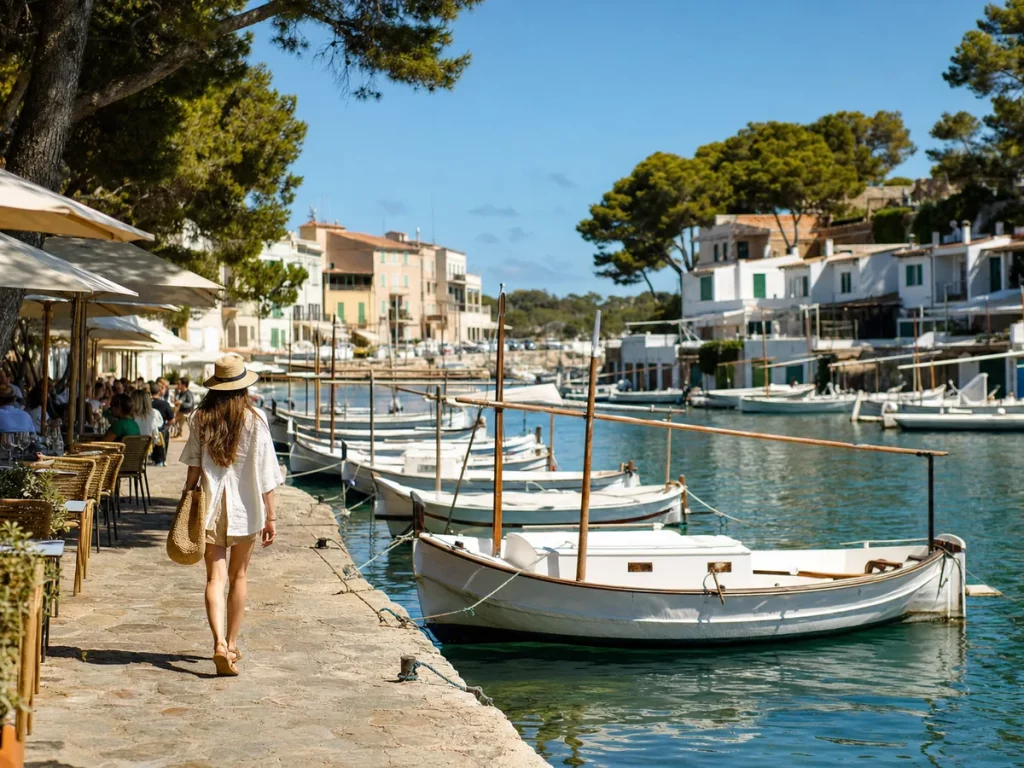
Mallorca is famous for its crystal-clear beaches, but what really captivates many travellers is inland. In small places, between mountains and valleys, you will find villages with their own personality, living history and a pace of life that invites you to slow down and simply breathe. These charming villages in Mallorca are the heart of the island: places where you can wander aimlessly through the streets, have a drink in a square with neighbours chatting and feel the authenticity in every corner. Charming villages in Mallorca in the Serra de Tramuntana The Serra de Tramuntana, a World Heritage Site, is like a succession of postcards: villages that fit perfectly into the landscape, each with its own character. Valldemossa - peace among stone and flowers Valldemossa is a visit that many remember with a smile. Its streets seem designed to get lost in, with stone walls and flowers illuminating every balcony. The Charterhouse, where Chopin and George Sand spent a winter, remains a popular stop, but it's best to soak up the serene atmosphere of the village. Deià - art in every glance Between cliffs and sea, Deià exudes a special charm. Here you will understand why so many writers and artists found inspiration in its nooks and crannies. Every turn offers a different view, and the calm atmosphere invites you to sit on a bench and simply observe. Fornalutx - beauty you can feel Many travellers agree that Fornalutx is one of the most beautiful villages in the whole of Mallorca. Narrow streets, stone steps and traditional façades make walking through it feel like going back to another era, but with a calm and friendly energy. Charming villages in inland Mallorca If you want to see what life is really like in rural Mallorca, the inland villages are a gem. Here, life revolves around customs, crops and tradition. Sineu - market and local life Sineu has a weekly market that seems not to have changed for centuries. It is the ideal place to mingle with the locals: smell spices, taste artisan cheeses and listen to stories as you stroll through the old town, where squares and churches are the heart and soul of the village. Llubí - calm among fields Surrounded by fields and mills, Llubí invites you to relax to the rhythm of nature. It is an unhurried place, perfect for those in search of peace and quiet and homemade gastronomy surrounded by an authentic agricultural landscape. Santanyí - art and golden stone In the southeast, Santanyí mixes tradition with a creative touch. Its golden stone buildings seem to sparkle in the sun, and its art galleries and markets give the town a life of its own. Plus, the nearby coves are a wonderful bonus. Charming villages in Mallorca by the sea Although Mallorca has spectacular beaches, there are coastal villages that keep the essence of the sea alive, with quiet walks and flavours of the sea. Portocolom - a port with history Portocolom preserves a natural port that impresses with its shape and colour. A stroll along its promenade is one of those moments that stay with you: boats, painted houses and a sea breeze that never tires you. Banyalbufar - terraces overlooking the Mediterranean Sea Banyalbufar seems to be drawn. Vineyards and terraces blend with the deepest blue, offering breathtaking viewpoints. Here calm is not just a sensation: it is almost a way of life. Alcúdia - walls and historical charm Alcúdia has an old town that seems to stand still in time. Strolling along its walls and streets is like stepping into a fairytale. Moreover, its proximity to the coast allows you to combine history and relaxation on the beach without complications. How to really enjoy the charming villages in Mallorca More than just seeing, it's about experiencing these places. Find time to sit in a square, taste local dishes in local bars and chat with whoever crosses your path. Spring and autumn tend to be ideal times to travel without intense heat or too many people. A great way to enjoy this experience is to stay in an agroturismo in Mallorca. Not only will you have a quiet place to rest, but you will also be surrounded by nature, and waking up to the sound of birdsong becomes part of your trip. Agroturismo Mayolet: your base to discover the charming villages in Mallorca If your plan is to explore these villages calmly and without stress, Agroturismo Mayolet can be your perfect refuge. Located in a beautiful natural environment, it is an ideal place to move both inland and to the coast. From there you can design your own routes, sleep well and feel that every day is a new adventure. An agrotourism in Mallorca like this turns your trip into something you'll remember long after you've returned home.

Gastronomy in Majorca: Complete Guide

Gastronomy in Mallorca: discover typical dishes, local products and culinary experiences to enjoy Mallorcan cuisine.

Cuando uno piensa en Mallorca, es fácil imaginar playas de postal, calas escondidas y pueblos que parecen detenidos en el tiempo. Pero si hay algo que engancha y hace que muchos repitan visita, es su cocina. La gastronomía en Mallorca no es solo una forma de comer; es una forma de vivir, de contar historias y de mantener viva una cultura profundamente arraigada al campo, al mar y a los sabores de siempre. Aquí no hay lugar para lo artificial. Cada plato nace del entorno, de lo que da la tierra en cada estación, del saber popular transmitido en las cocinas de abuelas y madres, y del mimo con el que se tratan los productos. El aceite de oliva, las verduras que se recogen cuando toca, las carnes y pescados preparados con calma, y recetas que han viajado en el tiempo de generación en generación forman el corazón de un recetario con mucha personalidad. Una historia que se come: raíces y evolución de la cocina mallorquina Detrás de cada plato típico hay siglos de historia. La cocina mallorquina es una mezcla viva de influencias que se han ido entrelazando a lo largo del tiempo. Romanos, árabes y catalanes dejaron su huella, y eso se nota en detalles como el uso de especias, la importancia de los guisos, o la presencia del pan como base de muchas recetas. Preparamos una guía dedicada a los platos típicos de Mallorca que hay que probar sí o sí. Durante mucho tiempo, lo que hoy llamamos “gastronomía” era simplemente una cocina de supervivencia. La mayoría de los platos nacieron en el campo, con lo que había a mano, en una época donde el ingenio y la necesidad iban de la mano. Esa sencillez, lejos de ser un defecto, es parte de su encanto. Hoy, muchos de esos platos humildes se han convertido en auténticos tesoros que resumen lo mejor de la vida en la isla: sabor, autenticidad y conexión con el entorno. Platos típicos que no te puedes perder Hablar de gastronomía en Mallorca es hablar de comida con alma. No hace falta que los platos sean complicados para dejar huella: aquí, lo sencillo es sinónimo de sabor y carácter. Pa amb oli: un clásico sin pretensiones Si hay un plato que grita “Mallorca” en cada bocado, es el pa amb oli. Pan moreno de pueblo, tomate de ramellet restregado con ganas, un buen chorro de aceite de oliva virgen extra y un poco de sal. Así, sin más, y ya está buenísimo. Pero claro, a eso se le suelen sumar embutidos como la sobrasada o el camaiot, algún queso curado o incluso pescado en salazón. Perfecto para picar, para merendar o para cenar sin complicaciones. Es un básico que nunca falla. Arroces que reconfortan y guisos de toda la vida Uno de los más conocidos es el arroz brut, un arroz caldoso que huele a casa. Se cocina con carne, verduras, setas… todo depende de lo que toque en la temporada. Es especiado, sabroso y contundente. Y luego están las sopas mallorquinas, que aunque se llamen así, de sopa líquida tienen poco: son platos consistentes con pan moreno, verduras y caldo que se come casi con tenedor. Entre el mar y la montaña En Mallorca no hay por qué elegir entre pescado o carne: muchas veces van juntos en el mismo plato. El frito mallorquín, tanto en su versión con carne como con pescado, es un buen ejemplo. También el suquet de peix, un guiso marinero con sabor a hogar. Esa mezcla de tierra y mar está muy presente en la cocina local y da lugar a combinaciones sorprendentes y llenas de identidad. Los productos locales: la base de todo buen plato Lo que le da carácter a la gastronomía en Mallorca no son solo las recetas, sino los ingredientes. Y aquí, el producto local tiene mucho que decir. Aceite de oliva y verduras que saben a sol El aceite de oliva virgen extra mallorquín no solo es bueno, es el alma de muchas recetas. Lo acompañan verduras que crecen con fuerza bajo el sol mediterráneo: berenjenas, tomates, pimientos, patatas… Con ellos se preparan platos como el tumbet, una especie de lasaña vegetal a base de capas de verduras fritas y salsa de tomate. Un festival de sabor sin necesidad de carne ni pescado. Carnes, embutidos y quesos con carácter La sobrasada es la reina indiscutible, pero no está sola. En las charcuterías mallorquinas también encontrarás butifarrón, camaiot, longaniza… embutidos que forman parte del día a día y que tienen historia. Y si hablamos de quesos, los hechos con leche de oveja son los más típicos: intensos, con textura firme y un sabor que te hace volver por más. Dulces con historia y mucho sabor La repostería en Mallorca merece capítulo aparte. Empezando, claro, por la ensaimada, ese dulce tan icónico que puedes encontrar “lisa” o rellena de crema, cabello de ángel, chocolate o incluso sobrasada (sí, en serio). Pero no se queda ahí la cosa. También están el gató de almendra, perfecto para acompañar con una bola de helado, los crespells, que suelen prepararse en Pascua y tienen forma de estrellas o flores, y los rubiols, unas empanadillas dulces que se rellenan con requesón, cabello de ángel o confitura. Pequeñas delicias que forman parte del día a día y de las celebraciones. Mercados y experiencias gastronómicas: donde empieza el buen comer Si quieres entender de verdad qué es la gastronomía en Mallorca, no basta con sentarse en un restaurante. Hay que ir a donde empieza todo: los mercados. Ahí es donde se ve la variedad, la frescura y el cariño con que se trata el producto local. El Mercat de l’Olivar, en pleno centro de Palma, o el Mercat de Santa Catalina, más moderno y lleno de vida, son perfectos para perderse entre puestos de frutas, verduras, pescados recién traídos del puerto, quesos artesanos y embutidos con historia. Y lo mejor: muchos tienen pequeños bares donde probar lo que ves, sin prisas

What are the Best Wines of Mallorca?

Discover the best wines of Mallorca: wineries, local varieties, designations of origin and wine tourism experiences.

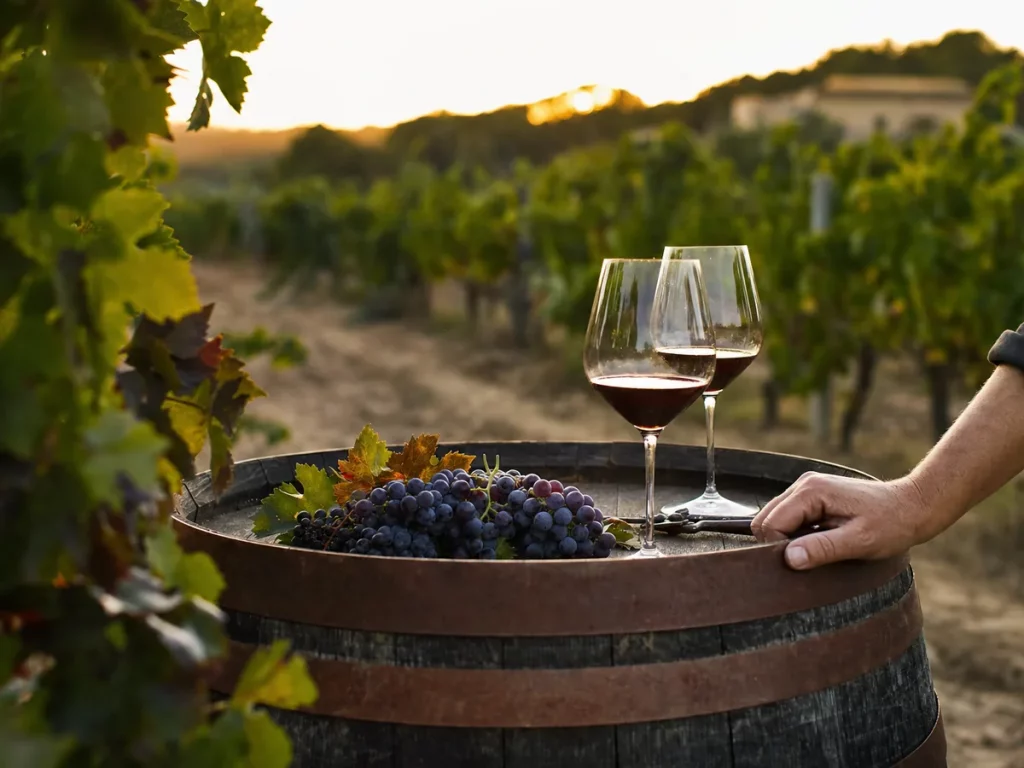
To talk about Mallorca's best wines is to open the door to a history that has been built up with patience, a Mediterranean climate and a good dose of local passion. What not so long ago was a discreet wine-growing region, today shines with its own light, both on the national map and outside Spain. The secret? Wines with soul, closely connected to the Mallorcan landscape and the Mallorcan table, where each glass tells something of the place it comes from. In Mallorca, wine is born in an environment that seems to be tailor-made: soils with a lot of calcium, sun almost all year round and a sea breeze that cools just enough to balance the heat. With these ingredients, it is not surprising that Mallorca's best wines have that recognisable Mediterranean touch: ripe fruit, hints of herbs and an acidity that makes you want to keep drinking. Added to this is an important detail: the effort to recover varieties that for years were overshadowed by international grapes. Today, these autochthonous grapes are more alive than ever and define the character of Mallorcan wine. The areas where good wine is born Mallorca is organised into several wine-growing areas, although there are two denominations of origin that rule, and other mentions that provide scope for the creativity of the wineries. DO Binissalem This appellation, located in the centre of the island, is one of the most emblematic. If you are looking for the best wines in Mallorca, this is the place to stop. Its reds, with Manto Negro as the protagonist, sometimes accompanied by Callet or varieties such as Cabernet Sauvignon, are intense, elegant and full of personality. DO Pla i Llevant This area covers a large part of the centre and east of the island, and its strong point is its diversity. The wines produced range from aromatic whites to rosés and reds with good structure. It is a very versatile DO, ideal for those who enjoy trying new things without losing the link with tradition. In addition, there are other labels such as Vino de la Tierra Mallorca or Serra de Tramuntana-Costa Nord, which allow many wineries to experiment without sacrificing quality. The grapes that make the best Mallorcan wines unique The real treasure of Mallorcan wine lies in its grapes. The local varieties provide something that cannot be copied: an identity of their own that sets the island's wines apart. Thanks to the work in the vineyard and respectful techniques, these grapes are behind many of the best Mallorcan wines that can be found in shops and restaurants today. Wineries not to be missed Behind a great wine there is always a story. And in Mallorca, some wineries have been key to the great leap in quality of the local wine. These wineries are part of the reason why there is so much talk about the best wines of Mallorca in specialised guides and recommendations. Wines for all tastes The wealth of styles is another of the things that make Mallorcan wine so appealing. There is not just one way of making it, and this is reflected in the variety: sommeliers and critics agree on one thing: the best Mallorcan wines of today are fresher, have less alcohol and a clearer connection with the land. Working with native varieties and respecting the environment are highly valued. Everything points to this being the way forward for Mallorcan wine in the coming years. When wine meets cuisine And when it comes to food, food pairing on the island is serious business. Dishes such as baked lamb, a good dry rice dish, tumbet or artisan cheeses find their ideal partner in local wines. A Manto Negro red or a Prensal white can elevate any Mallorcan meal to another level. This connection between cuisine and wine makes every meal an experience. Agrotourism in Mallorca: wine, countryside and relaxation If there is one way of getting to know the best wines of Mallorca from the inside, it is wine tourism. Today many wineries open their doors for visits, tastings or walks through the vineyards. The experience of tasting a wine where it is born, with the landscape in the background and the smell of the earth, is hard to match. Agroturismo Mayolet: experiencing wine at its source A good option for making this a reality is to stay at Agroturismo Mayolet, a place surrounded by nature and with easy access to several of the most outstanding wineries. Here you can disconnect from the noise, sample the local gastronomy and, above all, savour Mallorcan wine in its natural setting. It is a very authentic way to experience agrotourism in Mallorca and enjoy wine like never before.

What to do on a Rural Getaway in Mallorca

Discover what to do on a rural getaway in Mallorca: nature, charming villages, routes, gastronomy and agritourism to disconnect.

Mallorca is not just a summer destination. When you move away from the coast and go inland, another island appears: quieter, closer and much more authentic. This leisurely Mallorca, where the landscape sets the pace and time seems to slow down, is perfect for those who are looking to truly disconnect. Knowing what to do on a rural getaway in Mallorca means discovering mountains, stone villages, traditional markets and a gastronomy that comes from the environment. A simple but very special experience. Walking leisurely through the Serra de Tramuntana The Serra de Tramuntana mountain range, recognised as a UNESCO World Heritage Site, is one of those places that can be enjoyed slowly. Its cobbled paths, dry stone walls and views of the sea create an ideal setting for walking without objectives or timetables. The Ruta de Pedra en Sec (GR-221) follows ancient paths used for centuries to link mountain villages. You don't have to do the whole route: there are easy sections, perfect for a quiet morning of hiking and ending the day with a meal in a local restaurant. It is one of those essential plans if you are wondering what to do on a rural getaway in Mallorca. Excursions with history and panoramic views Among the most popular routes is the ascent to Castell d'Alaró. It is an accessible hike, without great difficulty, which combines nature, history and spectacular views of the island's interior. Ideal for adding a cultural touch to your getaway without the need for great physical preparation. Villages where time slows down Part of the charm of a rural getaway in Mallorca lies in getting lost in its villages. Valldemossa, Deià, Sóller and Fornalutx conserve that traditional Mallorcan feel: narrow streets, stone façades and squares where you can sit and have a drink without looking at the clock. Beyond the stroll, the most beautiful thing is to observe the local life: to go into a small shop, visit an open church or sit on a bench in the shade and simply look around. It is these moments that make the experience authentic. The interior of the island and its link to the land In villages such as Santa Maria del Camí, Binissalem or Sineu, the agricultural tradition is still very present. Here you can understand Mallorca's historical relationship with the land, which is fundamental for understanding what to do on a rural getaway in Mallorca from a more real and less touristy perspective. Local markets and seasonal produce Visiting a weekly market is one of the easiest ways to connect with rural Mallorca. Seasonal fruits, cheeses, cured meats, artisan bread and local products fill the village squares. The Santa Maria del Camí market is perfect for a relaxing morning. As well as buying local produce, it is a good place to sit down for a simple meal and observe the local atmosphere. Olive trees have been part of the Mallorcan landscape for generations. Many estates have opened their doors to offer olive oil tourism experiences that fit perfectly into a rural getaway in Mallorca. Strolling through olive groves, learning about the olive oil production process and tasting different oils is a peaceful and sensory way of getting to know agricultural Mallorca, ideal for those who are looking for different and less crowded plans. Gastronomy linked to the environment Mallorcan olive oil plays a leading role in many traditional dishes. Knowing its origin adds value to the experience and reinforces the connection between landscape, product and cuisine that defines a good rural getaway. Wine tourism in Binissalem The Binissalem DO is the heart of Mallorcan wine. Several wineries offer tours and tastings in rural settings, surrounded by vineyards and open fields. Including a winery is an excellent way of extending what to do on a rural getaway in Mallorca, combining gastronomy, culture and leisure. Moreover, they are peaceful experiences, especially outside the high season, which reinforces the feeling of disconnection. A different kind of nature in s'Albufera It's not all mountains on a rural getaway. The Parc Natural de s'Albufera offers a completely different landscape: flat paths, wetlands and bird observatories. It is an ideal place to walk slowly, take photos or simply enjoy the silence, balancing the getaway with another type of natural environment. Alternative plans for quiet days If the weather is not good or you feel like a change of plan, the caves in the east of Mallorca, such as the Drach caves, can be a good option. Combined with small villages and local restaurants, they fit well into a rural getaway in Mallorca away from the more touristy areas. Tips to enjoy more The key is not to want to do everything. Getting up early, avoiding rush hour and combining activity with rest makes the difference. The car makes access to rural areas easier, although many routes and villages are easily connected. Spring and autumn are the best times for this type of trip: mild temperatures, green landscapes and fewer people. Agroturismo Mayolet: the complete experience Accommodation is an essential part of the trip. At Agroturismo Mayolet, the rural getaway in Mallorca is lived from the calm, the natural environment and the direct contact with the essence of the island. It is the ideal place to discover the interior and enjoy authentic rural tourism in Mallorca. If you are looking to disconnect, reconnect with the land and get to know Mallorca without rushing, Mayolet is the perfect starting point for your next getaway.

Logo Es Mayolet
Privacy Overview

This website uses cookies so that we can provide you with the best user experience possible. Cookie information is stored in your browser and performs functions such as recognising you when you return to our website and helping our team to understand which sections of the website you find most interesting and useful.