
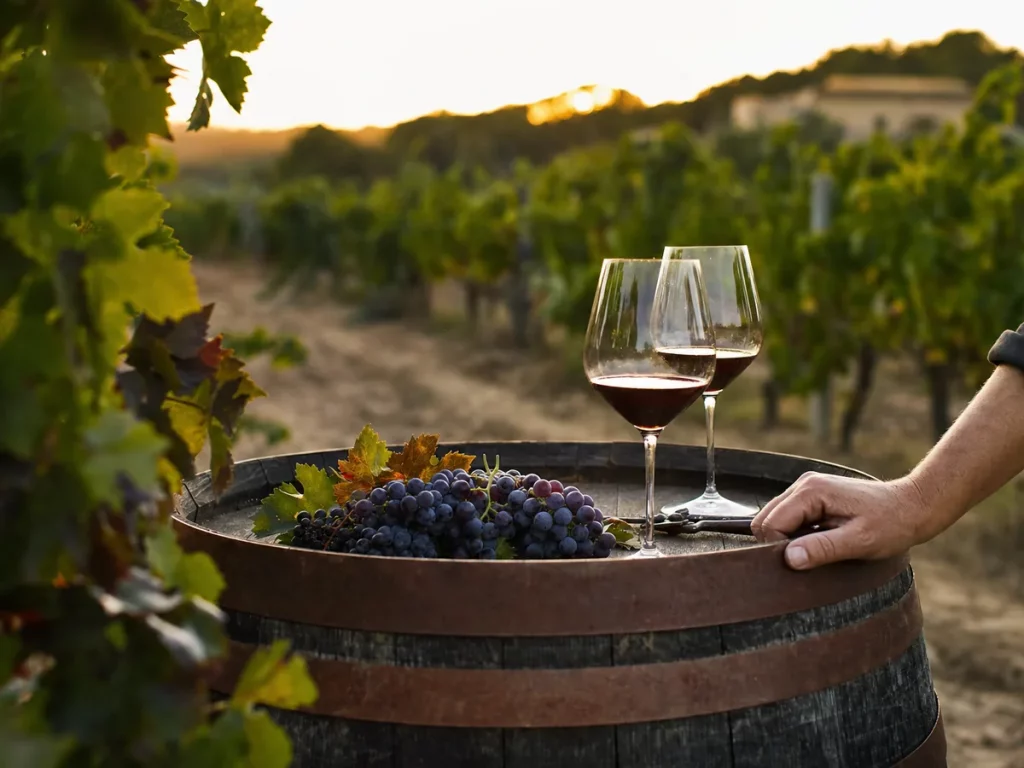
A wine tasting in Mallorca costs between €20 and €50 per person in 2026, averaging around €35 when including a guided tour of the winery. The island has two designations of origin—Binissalem, in the center, and Pla i Llevant, in the east—and native grape varieties that are not grown anywhere else: Callet, Manto Negro, Fogoneu, and Gorgollassa for red wine, and Prensal Blanc and Giró Ros for white. The harvest runs from late August to early October and is the best time to visit.
Mallorca has been making wine for twenty centuries, and for about twenty years it has been doing it well again. Phylloxera devastated the vineyards at the end of the 19th century, the island turned to tourism, and only in the last two decades has it recovered its native grape varieties. That's why a wine tasting in Mallorca It's nothing like a wine tasting in La Rioja: here you won't be tasting Tempranillo, you'll be tasting grapes that barely exist outside of this island. This guide explains what you'll be tasting, how much it costs, and what formats are available.
What does a wine tasting in Mallorca include?
A standard wine tasting includes between three and five wines, an explanation of the terroir and grape varieties, and almost always a solid accompaniment: bread with olive oil, Mallorcan cheese, sobrasada, or local cured meats. It typically lasts between one and one and a half hours.
From there, each winery sets its own format. Some include a visit to the barrel room, others take you on a walk through the vineyard, and still others offer a complete meal with wine pairings. What's almost never included is transportation, and that's an important detail on an island where the wineries are scattered throughout the interior and there's no public transport to reach them.
When booking, it's advisable to ask two things: what language the tasting is conducted in —many wineries alternate between Spanish, English, and German depending on the group— and whether the price includes the bottle or just the tasting glasses.
How much does a wine tasting in Mallorca cost in 2026?
The average price for a wine tasting with a winery tour in the Balearic Islands is around €35, ranging from €20 to €50 per person. Small, family-run wineries in the interior are priced lower; well-known wineries and those that include food are priced higher.
| Format | Price 2026 | Duration |
|---|---|---|
| Simple tasting (3-4 wines) | €20-30 | 45 – 60 min |
| Tasting + winery visit | €30-40 | 1 – 1.5 h |
| Wine tasting + vineyard tour | €35-50 | 1.5 – 2 h |
| Tasting with paired food | €60 – €95 | 2.5 – 3 h |
The wines themselves aren't the most expensive part; it's the time spent with the person serving you. A tasting guided by the winemaker costs more than one led by the waitstaff, and it's usually worth the difference.
What is the difference between DO Binissalem and Pla i Levante?
These are the two designations of origin of Mallorca and correspond to two different landscapes. Binissalem, in the centre of the island at the foot of the Serra de Tramuntana, was the first DO in the Balearic Islands and is the home of Manto Negro, its emblematic variety. Pla i Llevant, created in 1999 and officially recognised in 2001, covers the plain and the east of the island — Manacor, Felanitx, Petra, Porreres — and is more diverse, with Callet as its benchmark red.
The practical difference for the visitor lies in the nature of the wineries. Binissalem has more established wineries, better equipped to receive groups; Pla i Llevant has smaller, more experimental projects, offering more intimate visits and closer contact with the winemakers.
The regulatory boards of both publish the official list of registered wineries: the one for Binissalem and the tourism portal of Balearic Government, which maintains the list of wineries open to visitors in both designations.
Which native grapes will you try at a Mallorcan wine tasting?
This is what makes it worth tasting here and not anywhere else. The varieties native to Mallorca are:
- Callet: the most widespread red on the island. Elegant, fresh, medium-bodied, and subtly spiced.
- Manto Negro: the flagship variety of Binissalem. Aromatic, with red fruit, soft tannins and herbaceous notes.
- Fogoneu: native in recovery, light and very linked to the Llevant.
- Gorgollassa: almost extinct twenty years ago, now being revived by a few wineries.
- Prensal Blanc (also called Moll): the benchmark white wine. Citrusy, appley, light, made for Mediterranean cuisine.
- Giró Ros: native white, less common, with a more floral profile.
Alongside these are the international varieties—Cabernet Sauvignon, Syrah, Merlot, Chardonnay—which many wineries use in blends. If you want to try something you won't find elsewhere, specifically ask for the single-varietal wines made from local grapes: they aren't always included in the standard tasting menu, and they can almost always be served.
What is the best time of year for a wine tasting in Mallorca?
From late August to early October, because it coincides with the grape harvest and that's when the winery is bustling. You can see people working, you smell the must, and many vineyards offer opportunities to participate in the harvest that aren't available the rest of the year.
The second best time to visit is spring, from April to June: the vineyard is in full growth, the temperature is pleasant for walking among the vines, and there are far fewer people than in summer. July and August are also good, but the midday heat in inland Mallorca makes any walk through the vineyard inadvisable except for early morning or late afternoon.
In winter, activity slows down considerably: some wineries reduce their hours, and many rural accommodations in the interior close between November and March. If you're traveling during those months, always confirm by phone. You can cross-reference this with our guide to the best time to visit Mallorca.
What is a wine tasting like at an estate with its own vineyard?
It's a different format than an industrial winery. Instead of arriving at a tasting room, you walk among the vines with the people who cultivate them and then sit down. The wine is tasted with the landscape in front of you, which significantly changes the conversation.
At Es Mayolet, an agrotourism in Mallorca in the interior of Manacor, the vineyard is part of the 28 hectares of working estate and lies within the Pla i Llevant DO. The experience combines a walk among the vines, a tasting of Pla i Llevant wines and, in September and early October, taking part in the grape harvest. Afterwards, the table: the kitchen of Sa Vinya d'es Mayolet works with produce from the estate's own kitchen garden, so the pairing is built with what comes out of the same soil.
If you want to learn more about the wines before you come, we have a guide to what the best wines of Mallorca are and another one about pairing Mallorcan wines, which wine goes best with each dish from the island.
When NOT to book a wine tasting in Mallorca
- If you're going to drive and there are only two of you. A tasting consists of three to five glasses. You'll need a designated driver or a taxi, and taxis from the coast to the interior aren't cheap.
- In the middle of August at midday. The interior of the island rises above 35 degrees and the walk through the vineyard ceases to be pleasant.
- If you're looking for great wines that can be aged. Mallorca produces fresh, Mediterranean-style wines. If your benchmark is a Castilian reserva, you'll be disappointed.
- With young children. Many wineries accept them, but an hour and a half of wine explanation is long for them and not all have an alternative.
Frequently asked questions about wine tastings in Mallorca
Do you need to book a wine tasting in Mallorca in advance?
Yes, practically always. Mallorcan wineries are mostly small and work with private groups at specific times, not with self-guided tours. In high season, it's best to book a week in advance, and during the harvest—from late August to early October—even further in advance, as these are the peak demand periods.
How many wines are tasted in a wine tasting in Mallorca?
Between three and five wines are included in the standard tasting format, typically a white, a rosé, and two or three reds, chosen to showcase the winery's range. Extended or vertical tastings can feature up to seven or eight wines. The quantities are small, around 40 to 50 milliliters per glass, although many wineries allow you to have another glass of your favorite.
Is it possible to visit a vineyard in Mallorca without doing a wine tasting?
In some vineyards, yes, especially those that offer walks through the countryside as a standalone activity. But it's uncommon: vineyard visits are usually sold as part of a wine tasting because that's what makes them profitable. If you don't drink alcohol, many wineries offer the full tour with grape juice or must at no extra cost.
Which Mallorcan wine is a must-try?
A Manto Negro from Binissalem and a Callet del Pla i Llevant, the two red varieties that define the island and are hardly cultivated elsewhere. For white wine, a Prensal Blanc, also called Moll: light, citrusy, and perfect for Mediterranean cuisine. If you're offered a Gorgollassa, try it: it's a variety that almost disappeared.
How long does a wine tasting in Mallorca last?
Between 45 minutes and two hours, depending on the format. A simple tasting of three or four wines takes less than an hour. If it includes a visit to the barrel room or a walk through the vineyard, it will take a good hour and a half. Tastings with food pairings take up the entire after-dinner period, between two and a half and three hours.
Tasting in a vineyard in Pla i Levante
If you want to taste wine from this designation on the estate where the vines grow, at Es Mayolet the tour goes from the vineyard to the table without leaving the same 28 hectares, with participatory harvesting in September and early October.
Book on +34 971 845 685 or at info@reservarotana.com. Harvest dates are booked weeks in advance.