Experiences on a farm in Mallorca: horse riding, vegetable garden and vineyard
Experiences on a farm in Mallorca — Mayolet Agritourism guide

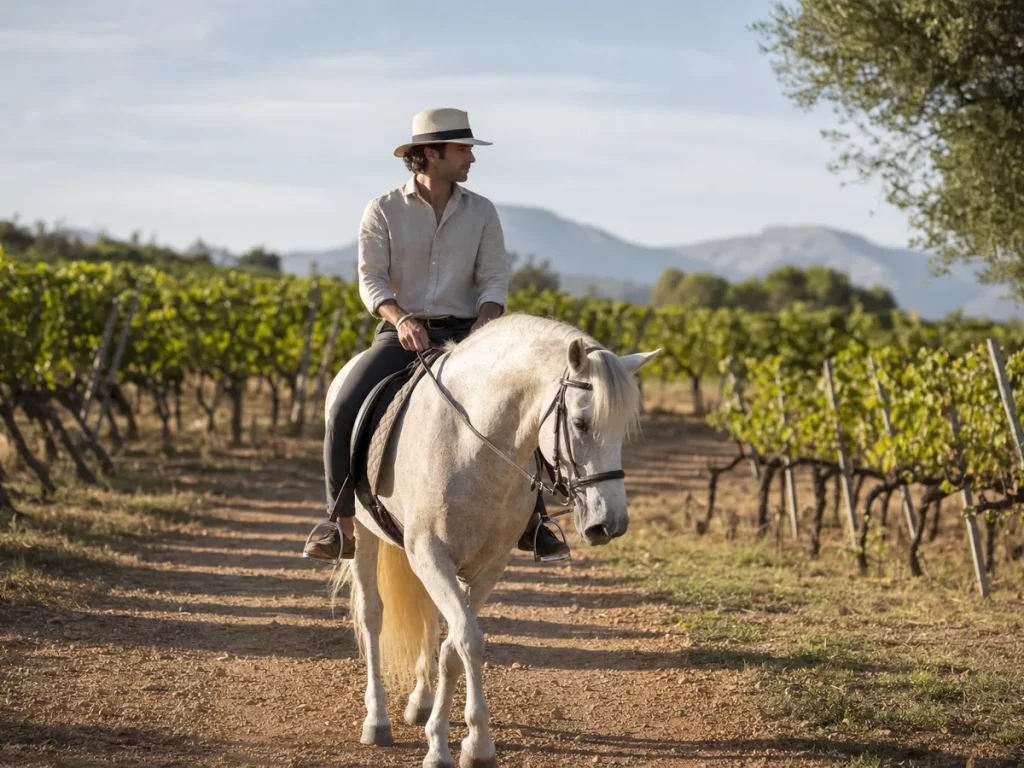
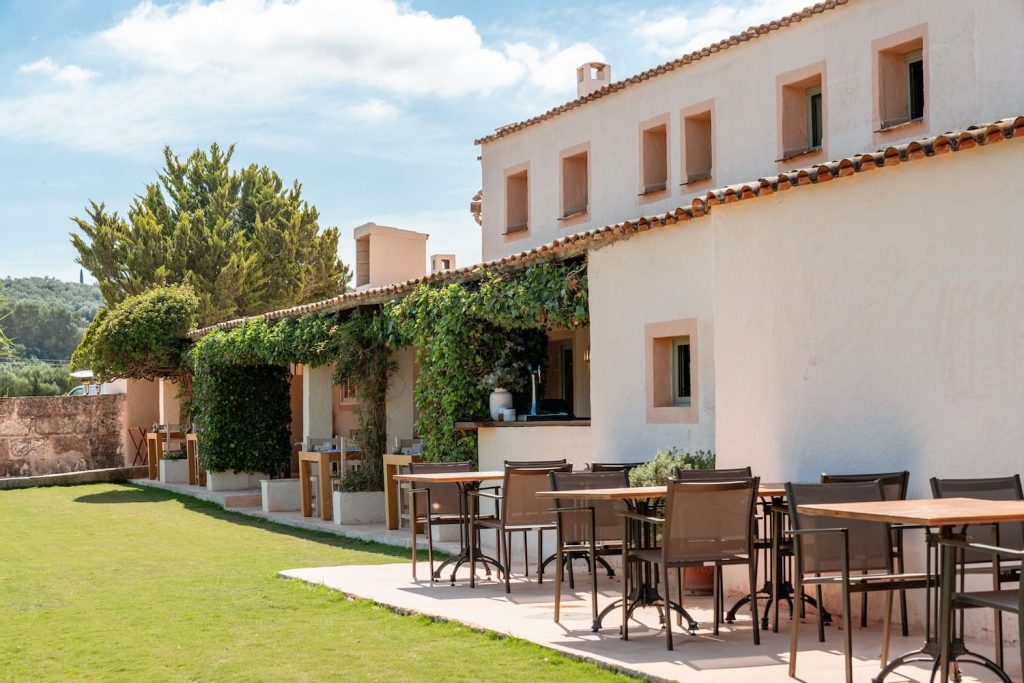
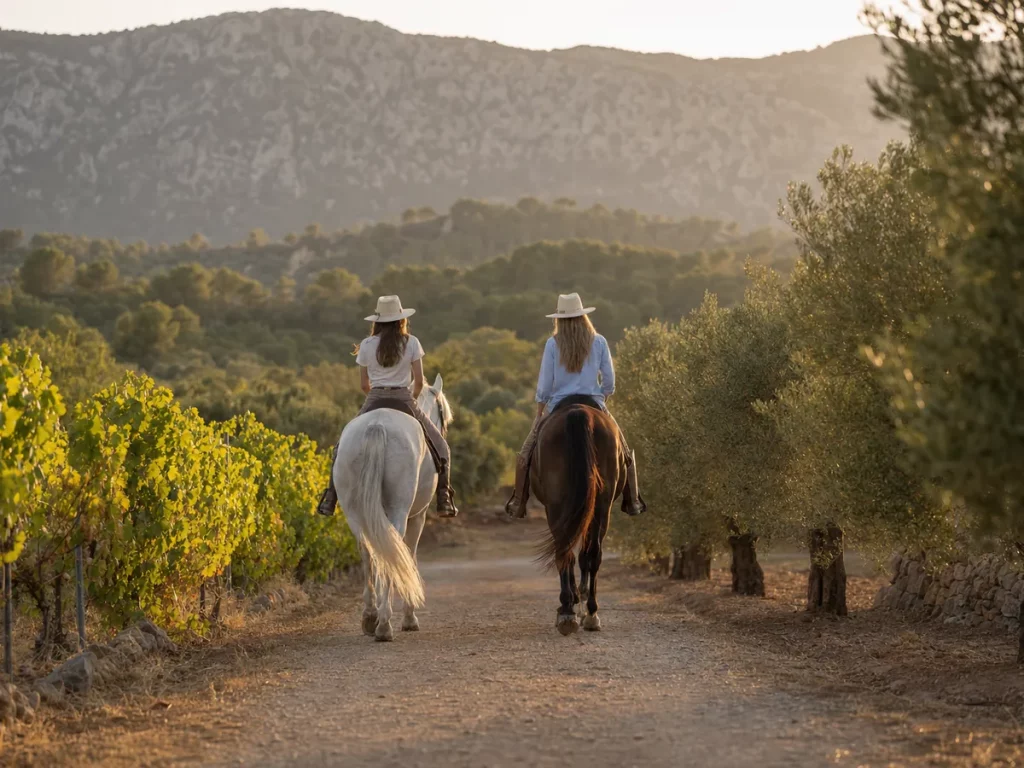
Las experiencias en una finca de Mallorca van mucho más allá del alojamiento: paseos por el campo, equitación, visitas al huerto ecológico, catas en el viñedo propio, gastronomía de proximidad y momentos de desconexión en plena naturaleza. Son la esencia del agroturismo, que convierte una estancia en una vivencia completa. En Es Mayolet, en Manacor, las 28 hectáreas de finca reúnen viñedo, huerto, equitación y la cocina del chef Andreu Genestra para vivir Mallorca desde dentro. Una finca no es un decorado. Es un lugar vivo, con su huerto, sus animales, sus viñas y sus caminos. Y lo mejor de alojarse en una es que puedes vivirla, no solo mirarla. En esta guía te cuento qué experiencias puedes vivir en una finca de Mallorca y cómo se combinan en una sola estancia. Lo que diferencia dormir en un hotel de habitar una agroturismo en Mallorca de verdad. ¿Qué experiencias se pueden vivir en una finca de Mallorca? En una finca de Mallorca se pueden vivir experiencias muy variadas que conectan al huésped con el campo y la cultura de la isla: desde paseos y equitación hasta catas de vino, visitas al huerto y gastronomía de proximidad. La finca se convierte en el escenario y la actividad, todo a la vez. Una de las experiencias que más gustan son las rutas a caballo por el campo mallorquín, con parada de picnic entre viñas. Lo característico es que no son excursiones aisladas, sino experiencias integradas en el lugar donde te alojas. No coges el coche para «hacer algo»: lo tienes en la propia finca. Esa cercanía cambia el ritmo del viaje y lo vuelve más natural. Cada finca tiene su carácter. Las hay centradas en el olivo, en el vino, en los caballos. Las más completas reúnen varias de estas vivencias en un mismo sitio, de modo que cada día puede ser distinto sin salir de casa. ¿Cómo es un paseo a caballo por el campo mallorquín? Un paseo a caballo por el campo mallorquín es una forma serena de recorrer el interior de la isla: caminos de tierra entre viñas, olivos y almendros, al paso del animal y al ritmo de la naturaleza. No es un deporte de adrenalina, sino una experiencia de calma y conexión con el paisaje. La equitación encaja perfectamente con la filosofía del agroturismo. Vas despacio, en silencio, viendo el campo desde una altura distinta y prestando atención a los detalles que en coche pasarían inadvertidos. Para muchos huéspedes es el momento más memorable de la estancia. No hace falta ser jinete experto. La mayoría de las experiencias se adaptan al nivel de cada uno, y las rutas tranquilas permiten disfrutar incluso a quien monta por primera vez. El caballo marca el ritmo, y ese ritmo es justo el que buscas en unas vacaciones rurales. ¿Qué ofrece una visita al huerto y al viñedo de una finca? Una visita al huerto y al viñedo de una finca ofrece entender de dónde sale lo que comes y bebes: ver cómo se cultiva en ecológico, conocer las variedades de temporada y, en el caso del viñedo, descubrir las uvas autóctonas que dan el vino de la isla. Es una experiencia educativa y sensorial a la vez. En el huerto, según la estación, encontrarás tomate de ramellet, alcachofas, higos o cítricos, recogidos para la cocina de la finca. En el viñedo, las cepas de variedades como callet o manto negro, base del enoturismo de la isla. Lo bonito llega después: probar en la mesa el producto que acabas de ver en la tierra. Esa trazabilidad, ese «esto venía de allí», da a la comida un sabor que ningún restaurante de ciudad puede ofrecer. ¿Por qué la gastronomía es parte de la experiencia en un agroturismo? La gastronomía es una parte central de la experiencia en un agroturismo porque cierra el círculo: el producto que se cultiva en la finca acaba en el plato. Comer deja de ser un servicio para convertirse en la culminación de todo lo que has visto en el campo durante el día. En las fincas con cocina propia, el menú nace del huerto y de la temporada. En Es Mayolet, esa cocina la dirige el chef mallorquín Andreu Genestra, reconocido con una estrella Michelin y una estrella verde por su trabajo sostenible, según la Guía Michelin. Su propuesta reinterpreta la tradición de la isla con producto de proximidad. El vino, además, sale del viñedo de la propia finca. Así, la copa y el plato comparten origen, en un maridaje que puedes descubrir en nuestra gastronomía. La comida, en un agroturismo, es la experiencia, no un añadido. Todas las experiencias de Es Mayolet, en una sola finca Es Mayolet reúne en sus 28 hectáreas, en pleno corazón rural de Manacor, lo mejor de la finca mallorquina. Viñedo propio para vivir el vino desde dentro. Huerto ecológico que abastece la cocina. Equitación y paseos por caminos de tierra. Piscina exterior. Y la calma de un lugar con solo diez habitaciones. La idea es que cada huésped componga sus días a su manera: una mañana de paseo a caballo, una tarde de piscina y silencio, una cena de producto de temporada con vino de la casa. No un programa cerrado, sino un abanico de posibilidades en un mismo sitio. Es la diferencia entre visitar Mallorca y habitarla. Puedes ver el conjunto de propuestas en nuestras experiencias en la finca y planificar tu estancia con calma. Todo lo que necesitas para vivir la isla auténtica está dentro de la propia finca. Preguntas frecuentes sobre las experiencias en una finca de Mallorca ¿Hay que tener experiencia previa para montar a caballo en una finca? No hace falta tener experiencia previa para montar a caballo en una finca de Mallorca. La mayoría de las experiencias ecuestres se adaptan al nivel de cada huésped, con rutas tranquilas al paso pensadas para principiantes y para familias. Los caballos suelen estar habituados a jinetes noveles y siempre hay supervisión. Quien ya tiene experiencia puede

Family holiday at a rural tourism establishment in Mallorca
Family-friendly agritourism in Mallorca — Mayolet Agritourism Guide

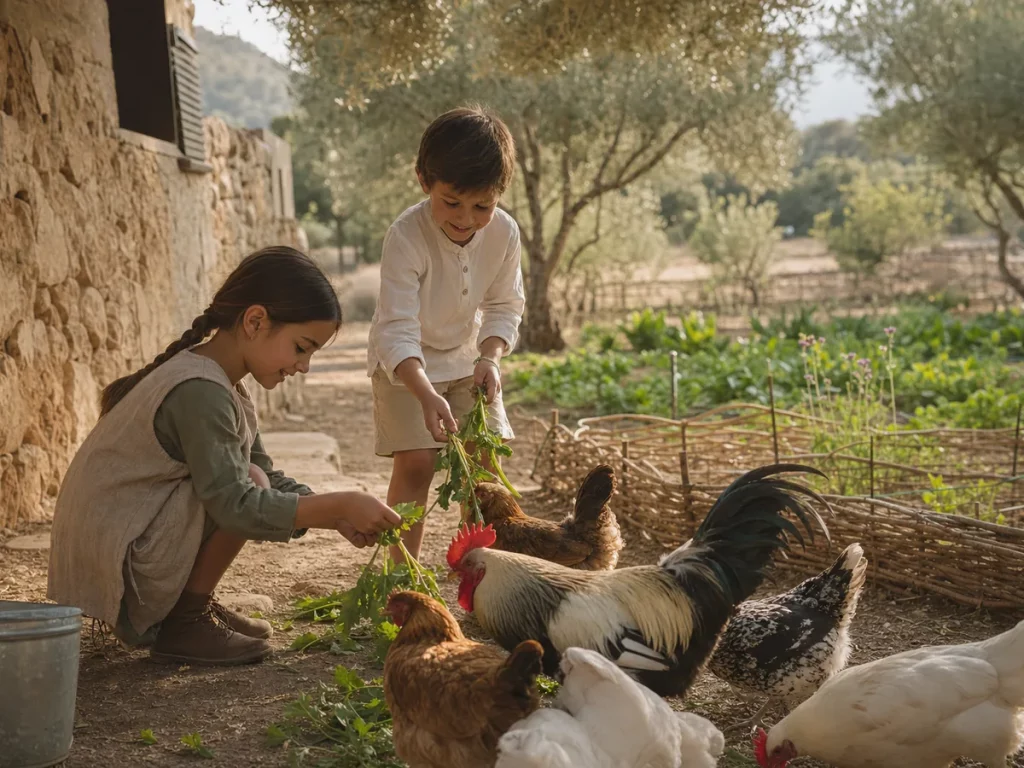
A family agritourism stay in Mallorca is a rural estate designed for children and adults to experience countryside life: animals, a vegetable garden, a swimming pool, walks, and plenty of open space, far from the crowds of the coast. It's a peaceful and educational alternative to a beach hotel, ideal for spring and summer. At Es Mayolet, in Manacor, the 28 hectares of the estate, the organic garden, and the nature activities transform a family vacation into a truly relaxing experience. Children don't need much to be happy on vacation: space, animals, dirt to get dirty, and time with their parents. Exactly what a good agritourism stay offers and what's hard to find in a hotel with a thousand rooms. If you're looking for a different kind of family vacation, this guide tells you what a family agritourism stay in Mallorca is like, what activities await the little ones, and why an agritourism stay in Mallorca can be the best memory of the summer. What is a family agritourism stay, and what differentiates it from a hotel? A family agritourism stay is rural accommodation located on a working farm, where guests experience the countryside firsthand: vegetable garden, animals, vineyard, and nature. It differs from a conventional hotel in its scale, surroundings, and overall experience, which is much more connected to rural life. While a coastal hotel offers standardized services and crowds, agritourism offers the opposite: few rooms, open space, and a slower pace. For a family, that difference is enormous. Children aren't confined to a hallway; they roam freely around the farm. And there's an added value that's hard to quantify: they learn. They see where food comes from, they touch the animals, they understand the seasons. It's leisure and education, both at the same time. What activities can children do on a farm in Mallorca? On a farm in Mallorca, children can enjoy a wide range of activities in direct contact with nature, from meeting the animals to picking vegetables from the garden. The farm becomes a natural park to explore. The best part is that almost everything happens outdoors, in the sunshine, far from screens. For many children accustomed to the city, a week like this is a revelation. Why choose a rural tourism retreat for a family holiday? Choosing a rural tourism retreat for a family holiday has a clear advantage: it combines nature, tranquility, and learning in a safe and uncrowded environment. It's the ideal option for families who want to truly disconnect and give their children more than just a swimming pool with a slide. The rural setting reduces stress for everyone. Parents can relax because the space is safe and open; children tire themselves out from playing outdoors and sleep better. Furthermore, being inland allows you to escape the hustle and bustle of the coast without sacrificing proximity to coves and villages. It's also a more sustainable and conscious way to travel, in line with the responsible tourism in Mallorca that more and more families are seeking. Holidays that leave memories, not regrets. What's the best time to visit Mallorca with children? The best time to visit Mallorca with children is spring and early summer—from April to June—and September, when the weather is pleasant, the countryside is in full bloom, and the estates are less crowded than in the height of August. The peak season starts in April and extends until October. In spring, the countryside blossoms, and the temperatures are perfect for spending the day outdoors. In summer, the pool and water activities come into play, although it's best to seek out shady spots. September is a well-kept secret: it's still warm, there are fewer people, and, on estates with vineyards, it coincides with the grape harvest. Any of these times works; it depends on whether you prioritize the coolness of spring or the summer pool season. Family holidays at Es Mayolet: countryside, orchard, and space for everyone. At Es Mayolet, a family has 28 hectares of land to experience Mallorca at their own pace. Space is the true luxury: an organic orchard, a vineyard, native wildlife, an outdoor pool, and paths for leisurely strolls, all in the heart of the island's rural area, in Manacor. Family activities are an integral part of the farm's offering: walks, interacting with the animals, and discovering the vegetable garden where the food is grown. And the food is more than just a formality: the kitchen, helmed by Mallorcan chef Andreu Genestra—who holds both a Michelin star and a Green Star—works with locally sourced produce that delights even the youngest guests when they discover that the tomatoes came from the neighboring garden. With only ten rooms, the atmosphere is peaceful and intimate, the opposite of a large resort. You can see everything the farm has to offer in our experiences and explore the area in this rural getaway guide to Mallorca. Frequently Asked Questions about Family Agritourism in Mallorca: Is agritourism a good option for families with young children? Yes, agritourism is an excellent option for families with young children. The open and safe environment allows them to move around freely, interacting with the animals and the vegetable garden is fascinating for them, and the relaxed pace fits well with children's schedules. Furthermore, with only a few rooms, the atmosphere is family-friendly and uncrowded, making holidays with little ones much easier. What should you pack for a holiday at a finca in Mallorca? For a holiday at a finca, it's best to pack comfortable clothes that you don't mind getting dirty, closed shoes for the dirt paths, a swimsuit for the pool, a hat, and sunscreen. In spring and autumn, a light jacket is a good idea for the cool evenings inland. Children will appreciate clothes designed for playing outdoors without worrying about getting dirty, because that's exactly what they'll be doing. Is an inland agriturismo in Mallorca far from the beaches? Not too far. Mallorca is a compact island, so

Sustainable tourism in Mallorca: ecotourism and slow travel
Sustainable Tourism Mallorca — Mayolet Agritourism Guide

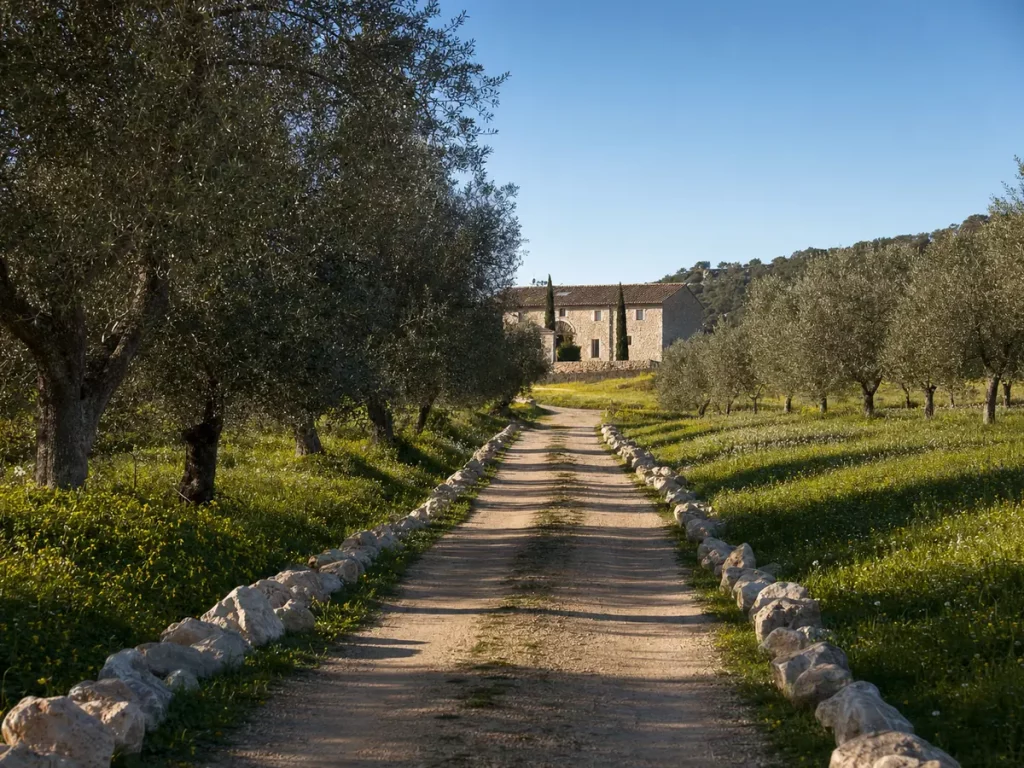
El turismo sostenible en Mallorca busca disfrutar de la isla reduciendo el impacto ambiental y social: viajar fuera de temporada alta, elegir alojamientos pequeños y responsables, consumir producto local y respetar el entorno natural. Es una respuesta al turismo de masas, que en 2025 llevó a Baleares a un récord de más de 19 millones de visitantes. El agroturismo —fincas rurales con huerto ecológico y baja ocupación— es una de sus formas más coherentes, y Es Mayolet, en Manacor, la lleva al terreno del slow travel. Mallorca recibe cada año muchísima gente. En 2025, Baleares superó los 19 millones de turistas, un récord histórico. Y, sin embargo, hay otra Mallorca posible: la que se visita despacio, en silencio, dejando el menor rastro. Esa es justo la idea de una escapada para desconectar en el interior, lejos de la costa saturada. De eso va el turismo sostenible. No de renunciar al viaje, sino de hacerlo mejor. En esta guía te explico qué es, cómo viajar de forma responsable por la isla y por qué un agroturismo en Mallorca es una de las maneras más honestas de hacerlo. ¿Qué es el turismo sostenible y por qué importa en Mallorca? El turismo sostenible es aquel que satisface las necesidades del viajero sin comprometer el entorno, la economía local ni la calidad de vida de los residentes. En Mallorca importa especialmente porque es una isla con recursos limitados —agua, suelo, costa— sometida a una enorme presión turística. Los números explican la urgencia. En 2025, las Illes Balears alcanzaron un récord de 19.053.592 turistas, según las estadísticas oficiales del Govern balear. Mallorca es la isla que concentra la mayor parte de ese volumen. Esa cifra trae riqueza, sí, pero también tensiona el agua, la movilidad y el paisaje. El turismo sostenible no pide dejar de venir. Pide venir de otra forma: repartido en el año, integrado en el territorio y respetuoso con quien vive aquí todo el año. ¿Cómo viajar de forma sostenible por Mallorca? Viajar de forma sostenible por Mallorca es más fácil de lo que parece y empieza por unas pocas decisiones conscientes antes y durante el viaje. No hace falta renunciar a nada; basta con elegir mejor. Cada una de estas decisiones es pequeña. Juntas, cambian por completo la huella de un viaje. ¿Qué es el slow travel y cómo se aplica en la isla? El slow travel es una filosofía de viaje que prioriza la calidad de la experiencia sobre la cantidad de lugares visitados: quedarse más días en menos sitios, conocer a fondo y vivir el destino sin prisa. En Mallorca encaja a la perfección, porque la isla recompensa al que se detiene. En lugar de recorrer doce calas en un día, el slow travel propone vivir una bien. En lugar de tachar monumentos de una lista, propone una sobremesa larga, un paseo sin rumbo, una conversación con el productor del vino. El lujo deja de ser hacer mucho y pasa a ser tener tiempo. Esta forma de viajar conecta de forma natural con el interior de la isla, lejos de la costa más masificada. Es la Mallorca de los pueblos con encanto, que recorremos en esta guía sobre la isla más allá de la playa. ¿Por qué el agroturismo es una opción de turismo responsable? El agroturismo es una de las formas más coherentes de turismo responsable porque combina baja ocupación, integración en el paisaje rural y apoyo directo a la actividad agrícola. Frente al gran hotel costero, una finca con pocas habitaciones reparte menos presión sobre el territorio y mantiene vivo el campo. Un buen agroturismo no solo aloja: cultiva. Tiene huerto, a veces viñedo, anima a recuperar variedades autóctonas y conserva la arquitectura tradicional en lugar de construir de cero. Eso significa que el dinero del viajero se queda en la isla y sostiene un paisaje que, de otro modo, se abandonaría. Además, la escala importa. Diez habitaciones no son cuatrocientas. El impacto sobre el agua, los residuos y el entorno es radicalmente menor, y la experiencia, para el viajero, infinitamente más auténtica. La filosofía slow luxury de Es Mayolet En Es Mayolet, la sostenibilidad no es un sello en la pared: es la forma de funcionar. La finca, de 28 hectáreas en el corazón rural de Mallorca, apuesta por un modelo de slow luxury en el que el lujo se mide en tiempo, silencio y espacio, no en metros de mármol. Solo diez habitaciones. Un huerto ecológico que abastece la cocina. Viñedo propio. Fauna autóctona y arquitectura mallorquina restaurada en vez de obra nueva. Y una cocina dirigida por el chef Andreu Genestra —una estrella Michelin y una estrella verde Michelin, esta última un reconocimiento específico a la gastronomía sostenible, según la Guía Michelin— que trabaja con producto de proximidad y de temporada. Todo ello compone un agroturismo de lujo y sostenible pensado para quien quiere disfrutar Mallorca sin pesarle la conciencia. Puedes ver las experiencias de la finca en esta página. Preguntas frecuentes sobre el turismo sostenible en Mallorca ¿Qué se considera turismo sostenible en Mallorca? Se considera turismo sostenible en Mallorca el que reduce el impacto ambiental y social del viaje: elegir alojamientos pequeños y responsables, viajar fuera de temporada alta, consumir producto local, moverse de forma eficiente y respetar los espacios naturales. El objetivo es disfrutar de la isla sin dañar sus recursos —agua, suelo, costa— ni la calidad de vida de quienes viven aquí todo el año. ¿Cuál es la mejor época para un viaje sostenible a Mallorca? La mejor época para un viaje sostenible a Mallorca son los meses de temporada media: mayo, junio, septiembre y octubre. El clima sigue siendo excelente, pero la presión turística es menor que en julio y agosto, lo que reduce la saturación de agua, carreteras y espacios naturales. Viajar en estos meses también permite una experiencia más tranquila y un contacto más real con la isla y sus gentes. ¿Es el agroturismo más sostenible que un hotel grande? En general, sí. Un agroturismo suele

Farm to table cuisine in Mallorca: from field to plate

Farm-to-table cuisine in Mallorca — Mayolet Agritourism Guide

Farm-to-table (or km0) cuisine in Mallorca consists of cooking with produce grown on the farm itself or a few kilometers away, harvested the same day, and served in season. It reduces transportation, guarantees maximum freshness, and connects the menu with the landscape. At Es Mayolet in Manacor, the organic garden supplies the kitchen run by chef Andreu Genestra (one Michelin star and one Green Star), who reinterprets Mallorcan tradition with produce picked just meters from the stoves. There's a distance that changes the flavor of food: the distance a tomato travels from the moment it's picked until it reaches the plate. The shorter, the better. That's what farm-to-table cuisine is all about. It's not a fad. It's a return to how cooking used to be done, when there was no other option than locally sourced produce. In this guide, I'll explain exactly what it is, why it matters, and what it's like to experience it at a rural hotel in Mallorca with its own garden. What is farm-to-table cuisine? Farm-to-table cuisine is a model where ingredients are grown on the farm itself or very nearby, harvested shortly before cooking, and served according to the season. The product's journey is minimal—hence the names "km0" or "farm-to-table"—and this is reflected in the freshness and flavor. The idea is both simple and radical: the menu is dictated by the garden, not the other way around. If artichokes are in season, then artichokes are in season. If figs are in season, the dessert features figs. The menu breathes with the land. This forces the chef to be more creative and more honest. They can't hide mediocre ingredients under sauces. They work with what the land provides that day, and they respect it. How does farm-to-table cuisine differ from conventional cuisine? The main difference between farm-to-table and conventional cuisine is the origin and timing of the product. In conventional cuisine, ingredients can travel hundreds of kilometers and spend days in cold storage; in farm-to-table cuisine, they are grown nearby and used freshly harvested, at their peak. What you gain isn't just ethical. It's about flavor. Seasonal produce picked at its peak is unrivaled, and that comes through in every bite. Why is Mallorca the ideal place for local cuisine? Mallorca is perfect for local cuisine because it has an extraordinary larder of its own: inland vegetable gardens, Mediterranean fish, olive oil, almonds, sobrasada, cheeses, and wines with designation of origin. Almost everything a good kitchen needs is on the island. The climate helps. Mild winters and long summers allow for cultivation for much of the year, so the gardens yield produce in almost every season. The island's interior—the Pla, the Llevant—is home to farms that have been working the land for generations. Added to this is a strong gastronomic culture. Traditional Mallorcan cuisine was already locally sourced out of necessity; reviving it with a focus on local ingredients is almost like returning it to its rightful place. We explore this in our Mallorca gastronomy guide. What seasonal products are grown in a Mallorcan garden? A Mallorcan orchard yields different produce each season, and this rotation is precisely what dictates the menu of a farm-to-table cuisine. The season dictates. Added to this are free-range eggs, honey, herbs for infusions, and, on estates with vineyards, the grapes themselves. Each season rewrites the menu. What is it like to eat at an estate with its own orchard in Mallorca? Eating at an estate with its own orchard in Mallorca is a complete sensory experience: the produce comes from the field right in front of you, the menu changes with the season, and the meal unfolds at a leisurely pace, usually outdoors or in front of the kitchen. It's not just about eating; it's about understanding where your food comes from. At Es Mayolet, the estate's organic orchard directly supplies the kitchen. The concept is overseen by Mallorcan chef Andreu Genestra, recognized with a Michelin star and a Green Star for his sustainable practices, according to the Michelin Guide. His cuisine reinterprets the island's traditions with produce harvested just meters from the stoves. The format is that of a tasting menu that breathes with the land. You can experience this lifestyle through our culinary offerings and tasting menu in Mallorca. In many cases, the wine comes from the estate's own vineyard: soil and glass, once again, from the same place. What are the benefits of local cuisine for diners and the environment? Local cuisine benefits diners with fresher, tastier, and seasonal produce, and the environment with less transportation, support for local producers, and preservation of the agricultural landscape. It's one of those rare things where everyone wins. For the diner, the difference is on the plate: authentic flavor, seasonality, and the peace of mind of knowing exactly what they're eating. For the region, maintaining thriving orchards means caring for the rural landscape and preventing the countryside from being abandoned. Public initiatives like those promoted by the Balearic Islands Ministry of Tourism and Labor point in this direction: tourism that values local and sustainable practices. Eating locally, ultimately, is a quiet way of caring for the island. Frequently Asked Questions about Farm-to-Table Cuisine in Mallorca. What exactly does farm-to-table cuisine mean? Farm-to-table cuisine means cooking with produce grown on the farm itself or very nearby, harvested shortly before serving, and used according to the season. The ingredient's journey from the field to the plate is minimal. That's why it's also known as km0 cuisine or farm-to-table cuisine. The menu adapts to what the garden yields at any given time of year, rather than imposing a fixed menu.

Wine pairings in Mallorca: which wine goes with each dish

Mallorca wine pairings — Mayolet Agrotourism guide

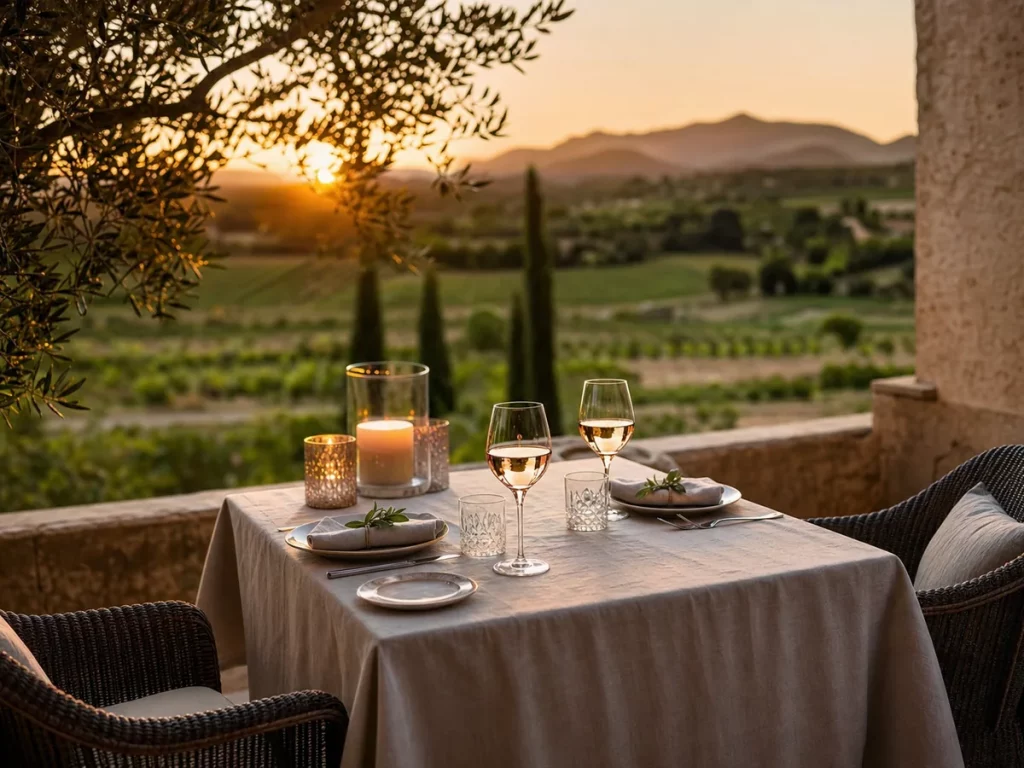
Wine pairing in Mallorca involves combining the island's native grape varieties with its local cuisine: a Manto Negro red with sobrasada or lamb, a Prensal Blanc white with fresh fish, a Callet rosé with salads and rice dishes, and a sweet wine with ensaimada for dessert. The basic rule is to balance intensity and pair local produce with local wine. At Es Mayolet in Manacor, the pairing is designed with Llevant wine and organic produce. Pairing isn't complicated. It's about listening to the dish and giving it the wine it needs. And in Mallorca, you have a huge advantage: the produce and the wine come from the same landscape, so they almost always complement each other well. In this guide, I explain which wine to choose with each Mallorcan dish, without technical jargon and with sound judgment. The same logic we apply at the table of an agriturismo in Manacor, where the food and the wine come from the same land. What is wine pairing, and what is its basic rule? Wine pairing is the art of combining a wine with a dish so that both enhance each other. The basic rule is a balance of intensity: delicate dishes call for light wines, and robust dishes call for full-bodied wines. If one overpowers the other, the pairing fails. There are two classic approaches. The affinity approach, which unites similar flavors—a sweet wine with a sweet dessert—and the contrast approach, which juxtaposes opposites that balance each other out: the acidity of a white wine cutting through the richness of an oily fish. Neither is inherently better. It depends on the dish. And then there's the Mallorcan golden rule, the easiest of all: local wine with local food. They tend to go well together because they grew up together. What wine pairs best with sobrasada and Mallorcan cured meats? Sobrasada pairs especially well with a red wine made from Manto Negro, the most characteristic red grape of Mallorca. Its medium body, fruity notes, and a touch of spice balance the fat and paprika of the sausage without overpowering it. This works because sobrasada is intense yet smooth, requiring a wine that cleanses the palate and adds fruit. A young or lightly aged Manto Negro is more than adequate. If the sobrasada is served warm, on coca (a type of flatbread), or with honey, the pairing becomes perfect. To understand which bottles to look for, our guide to the best wines of Mallorca can help. What wine pairs well with the island's fish and seafood? Fresh Mallorcan fish and seafood pair wonderfully with a white wine made from Prensal Blanc (also called Moll), the island's native white grape. Its acidity and citrus notes enhance sea bass, grouper, or prawns without clashing with their delicate flavor. The logic is simple: delicate seafood, fresh white wine. For grilled or baked fish, Prensal Blanc is a safe bet. For more intense seafood dishes—garlic prawns, mussels—the same white wine holds up perfectly, as it has sufficient structure. Avoid powerful reds here: they overwhelm the dish. What wine should you serve with traditional meats and stews? Mallorcan meats and stews call for full-bodied reds. Roast lamb, frit, or tumbet with meat pair well with a Manto Negro crianza or a more structured Callet, capable of complementing the richness and lingering flavors without feeling underpowered. Mallorcan Dish Recommended Wine Why it Works Sobrasada and cured meats Young Manto Negro red Fruit and spice balance the richness Fish and seafood Prensal Blanc white Citrus acidity that enhances the delicate flavors Lamb and stews Manto Negro Crianza red Body and tannins for lingering flavors Salads and rice dishes Callet rosé Fresh and versatile, it doesn't overpower the lightness Ensaimada and desserts Sweet Mallorcan wine Affinity: sweet with sweet For summer rice dishes and salads, a Callet rosé is the most versatile option: fresh, light, and very easy to drink in the sun. What wine pairs well with ensaimada and typical desserts? Ensaimada and Mallorcan desserts pair well with a sweet wine from the island. The dessert's soft texture and sugar meet the wine's honeyed notes, in a sweet finish that brings the meal to a close without being harsh. Here, contrast doesn't usually work: a dry wine next to a sweet dessert tastes harsh. It's best to seek sweetness with sweetness. A Muscatel or a local sweet wine naturally complements the ensaimada, the almond gató, or the potato coca. It's the perfect finishing touch to a meal carefully considered. Pairing at Es Mayolet: Llevant wine and garden produce. At Es Mayolet, pairings are not improvised. The estate, located in the heart of the Pla i Llevant DO, works with Llevant wine and produce from its own organic garden, so the wine and the dish share the same origin and season. This coherence is what makes everything fit together perfectly. The kitchen is helmed by Mallorcan chef Andreu Genestra—who holds a Michelin star and a Green Star for his sustainable practices, according to the Michelin Guide—with a menu that reinterprets the island's traditional cuisine using locally sourced ingredients. You can experience this firsthand in our gastronomy and in the tasting menu. The result isn't an enormous wine list. It's something better: each dish paired with the perfect glass, at a table where the earth you see is the earth you taste. Frequently Asked Questions about Pairing Mallorcan Wines: Which Mallorcan wine pairs best with sobrasada? The best wine to pair with sobrasada is a red wine made from Manto Negro, the native red grape of Mallorca. Its medium body and fruity and spicy notes balance the fat and paprika of the sausage. It works well with both cold and hot sobrasada, and is even better when served on coca (a type of flatbread) or with a touch of honey. Which wine is

Wine tourism in Mallorca: wineries, tastings and the DO Pla i Levante

Wine Tourism Mallorca — Mayolet Agritourism Guide

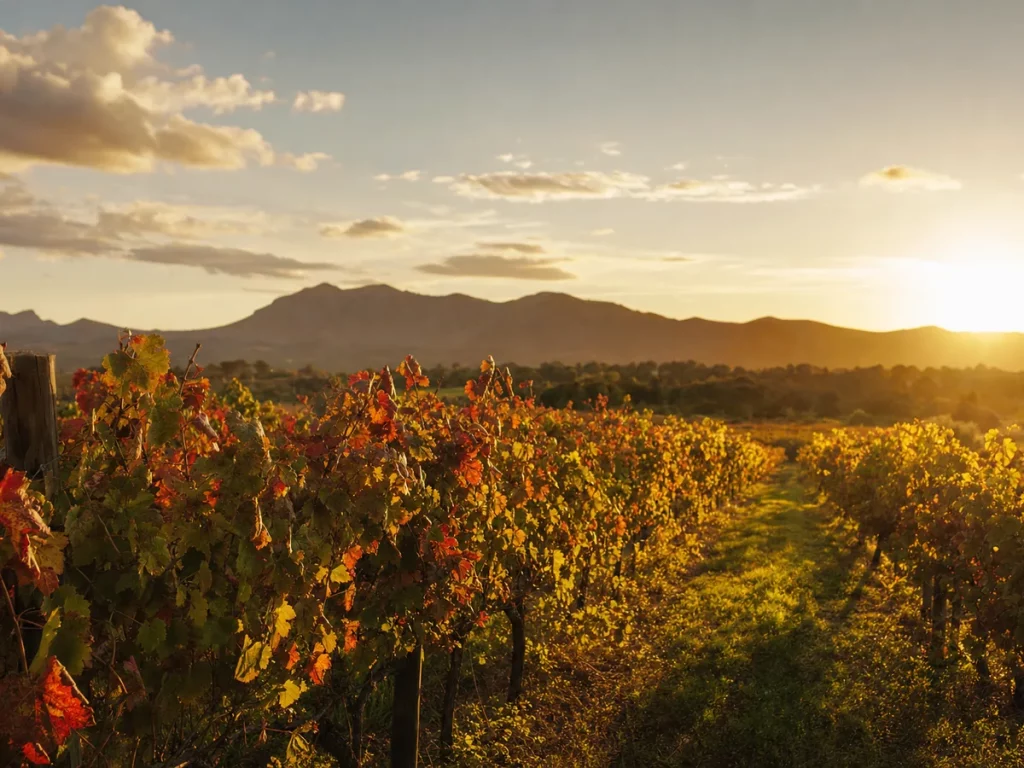
El enoturismo en Mallorca gira en torno a dos denominaciones de origen: Binissalem (creada en 1990) y Pla i Llevant (creada en 1999, con 18 municipios y unas 440 hectáreas de viñedo). La zona de Manacor pertenece a la DO Pla i Llevant, hogar de uvas autóctonas como callet, manto negro y prensal blanc. Las catas y visitas suelen requerir reserva en temporada alta (abril-octubre). En Es Mayolet, el vino se vive desde dentro: la finca tiene viñedo propio en pleno corazón rural de la isla. Ese mismo viñedo es el escenario ideal de una luna de miel entre viñedos para recién casados. El enoturismo en Mallorca dejó de ser una rareza para convertirse en una de las formas más bonitas de entender la isla. No la de las playas llenas. La otra. La del interior, los caminos de tierra y las cepas que llevan siglos agarradas a la roca caliza. Si te gusta el vino y quieres descubrir la Mallorca que se bebe despacio, esta guía te sirve de mapa. Te explico cómo funcionan las denominaciones de origen, qué uvas vas a encontrar, cuándo conviene ir y cómo encaja todo esto con una estancia en un agroturismo de lujo en Mallorca con viñedo propio. ¿Qué es el enoturismo y por qué Mallorca es un destino ideal? El enoturismo es el turismo que gira en torno al vino: visitar bodegas, catar, pasear entre viñedos y conocer de primera mano cómo se elabora cada botella. En Mallorca tiene un atractivo añadido, porque combina paisaje mediterráneo, uvas autóctonas que no existen en ningún otro sitio y una escala humana: aquí las bodegas son pequeñas y te atiende, muchas veces, el propio viticultor. La isla produce vino desde la época romana. Lo que ha cambiado en las últimas dos décadas es la calidad. Los productores locales dejaron de competir por cantidad y empezaron a apostar por algo más interesante: recuperar variedades antiguas, trabajar en ecológico y contar una historia. Esa historia es la que vienes a beber. ¿Qué denominaciones de origen tiene el vino de Mallorca? Mallorca cuenta con dos denominaciones de origen oficiales: DO Binissalem y DO Pla i Llevant. Cada una tiene su carácter, su zona y sus uvas protagonistas. Puedes consultar el detalle de zonas y bodegas inscritas en el portal oficial de turismo de Illes Balears Travel, que mantiene un mapa actualizado de las rutas del vino. Y aquí está la clave para quien se aloja en Manacor: estás dentro de la DO Pla i Llevant. No tienes que cruzar la isla para hacer enoturismo. Lo tienes en la puerta. ¿Qué uvas autóctonas se cultivan en Mallorca? Las uvas autóctonas de Mallorca son la razón por la que merece la pena el viaje. Entre las tintas destacan el manto negro, el callet y el fogoneu; entre las blancas, el prensal blanc (también llamado moll) y el giró ros. Son variedades que apenas se cultivan fuera de Baleares. El callet da vinos suaves, frescos, muy del Llevant. El manto negro aporta cuerpo y notas afrutadas. El prensal blanc es la base de blancos vivos y cítricos, perfectos para el pescado de la zona. Si quieres profundizar en qué botellas buscar, lo desarrollamos en nuestra guía sobre los mejores vinos de Mallorca. Lo bonito de catar estas uvas en su tierra es que entiendes el paisaje. El vino sabe a lo que ves por la ventana. ¿Cómo es una visita a una bodega en Mallorca? Una visita típica a una bodega en Mallorca dura entre una hora y media y dos horas, e incluye un paseo por el viñedo, la explicación del proceso de elaboración y una cata de tres a cinco vinos, a menudo acompañada de productos locales. La mayoría son experiencias íntimas, en grupos reducidos. No esperes naves industriales ni multitudes. La gracia del enoturismo aquí es lo contrario: bodegas familiares donde el ritmo es lento y la conversación importa tanto como el vino. En muchas, la cata se hace al aire libre, con vistas a las cepas. ¿Cuándo es la mejor época para hacer enoturismo en Mallorca? La mejor época para el enoturismo en Mallorca va de abril a octubre, cuando las bodegas abren su programa de visitas y el viñedo está verde o en plena maduración. Septiembre tiene un encanto especial: es la vendimia, y algunas fincas dejan participar en la recogida. El verano funciona muy bien para las catas de atardecer, cuando baja el calor y la luz se vuelve dorada sobre las cepas. La primavera, en cambio, regala viñedos brotando y menos gente. Cualquier momento de temporada es bueno; depende de si buscas el bullicio de la vendimia o la calma de mayo. El viñedo propio de Es Mayolet: enoturismo sin salir de casa En Es Mayolet el vino no es una excursión, es parte del lugar. La finca, de 28 hectáreas en el corazón rural de Mallorca, tiene viñedo propio. Eso significa que puedes pasear entre las cepas por la mañana y, por la noche, encontrar ese mismo paisaje reflejado en la copa que acompaña la cena. Las experiencias vinícolas se integran con el resto de la propuesta de la finca —el huerto ecológico, los paseos, la cocina de proximidad— en una idea muy concreta de lujo: el del tiempo y el silencio. Puedes ver el conjunto en nuestras experiencias en la finca. La cocina, dirigida por el chef mallorquín Andreu Genestra —una estrella Michelin y una estrella verde por su trabajo sostenible, reconocidas en la Guía Michelin—, convierte el maridaje en una conversación entre el vino del Llevant y el producto de temporada. Preguntas frecuentes sobre el enoturismo en Mallorca ¿Qué denominación de origen tiene el vino de Manacor? Manacor pertenece a la DO Pla i Llevant, la denominación de origen creada en 1999 que agrupa los municipios del centro y el este de Mallorca. Bajo esta denominación se elaboran vinos con uvas autóctonas como el callet y el manto negro. Es una de las dos DO de la isla, junto con

Logo Es Mayolet
Privacy Overview

This website uses cookies so that we can provide you with the best user experience possible. Cookie information is stored in your browser and performs functions such as recognising you when you return to our website and helping our team to understand which sections of the website you find most interesting and useful.